
Field notes on search, AI, and growth.
Long form thinking from our founder and team. New writing on SEO, AI search, content strategy, digital measurement, and the work we do for brands across Indonesia and the region.
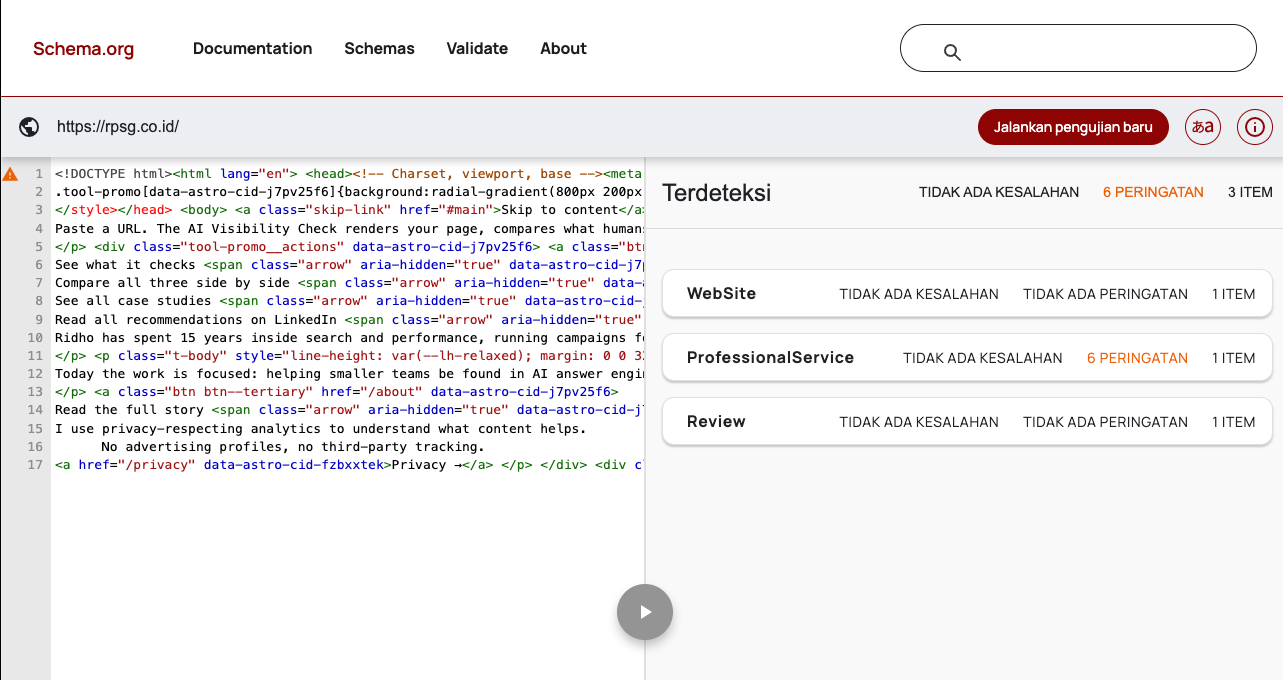
Schema markup won't get you cited by AI. Here is what it actually does.
The indirect path is plain SEO. Schema earns rich results and helps Google and Bing understand your pages. Those two indexes are exactly what AI Overviews and ChatGPT search retrieve from. AI Overviews are grounded in Google's ranking systems, and roughly [97 percent of them cite a source from the top 20 organic results](https://www.seoclarity.net/research/aio-rankings-overlap). If schema helps you rank and get indexed, it buys you a ticket into the pool the model draws from. The benefit is two steps removed, but it is not imaginary.

You Are Competing Against Your Own Pages. Here Is What That Costs in AI Search.
Duplicate content has never carried a penalty. That is exactly why it goes unfixed for years. There is no warning in your dashboard, no manual action, no ranking drop you can point at on a Tuesday. The cost shows up somewhere else, as authority that should have stacked on one page spread thin across five, and as an AI assistant citing a version of your page you forgot you published.

Bots Now Outnumber Humans on the Web. What Your Server Logs Should Tell You
Automated systems crossed 57.5% of all HTTP requests this week, the first time bots have outnumbered humans online, and Cloudflare Radar attributes the tip-over mainly to agentic AI ([TechTimes, June 5, 2026](https://www.techtimes.com/articles/317877/20260605/bot-traffic-passes-humans-online-cloudflare-says-agentic-ai-drove-575-share.htm)). For most sites the practical meaning is blunt. More than half of what your servers answer is now machines, and a large and growing slice of those machines are AI crawlers that may take thousands of pages from you for every visitor they send back.

Your Rendering Strategy Sets Your INP Score and Your AI Visibility
Headless stacks built on Next.js, Nuxt, or Astro promise clean content APIs and fast deploys. Many of them ship a hidden tax. The browser receives a thin HTML shell, downloads a large JavaScript bundle, and rebuilds the page on the user's device. While that bundle parses and executes, the main thread is busy, taps and clicks queue up, and Interaction to Next Paint (INP) climbs into failing territory.

How Hotel Brands Get Cited in AI Search
A traveller planning a four-day family trip to Bali no longer types "hotels in bali" into a search box. They ask an assistant where to stay near the beach with halal food nearby and a property good for kids, and they expect a named recommendation they can book. The answer they get is assembled, not ranked, and the hotels inside it were chosen by a system that read the web differently from how any hotel marketing team has been optimising for it. For hospitality brands, that gap between how guests now search and how their content is built is the whole game.
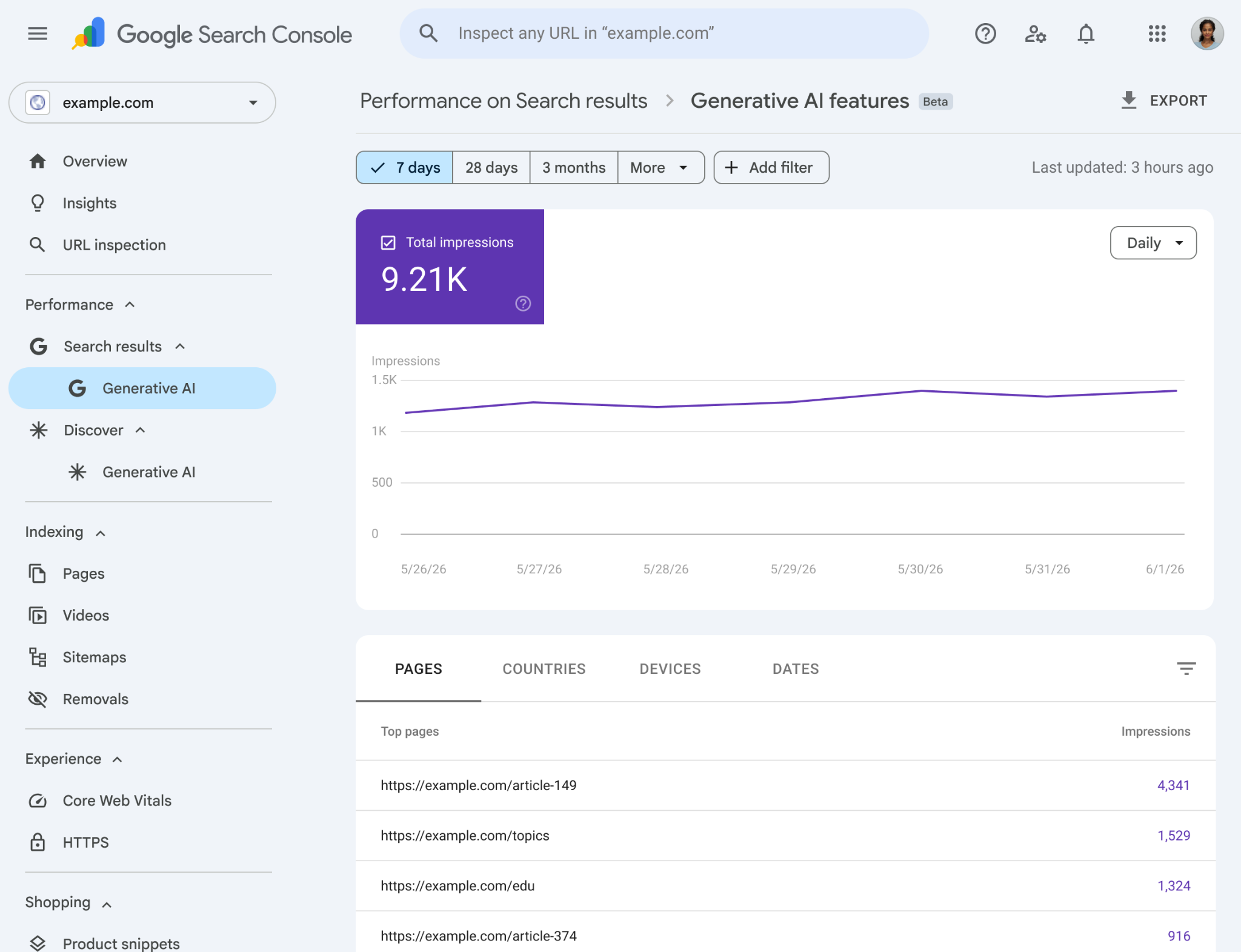
Google's New AI Performance Reports in Search Console
Google has given Search Console its first dedicated view of how pages perform inside its generative AI surfaces. Announced on June 3, the new Search Generative AI performance reports break out the impressions a site earns in AI Overviews and AI Mode, along with generative AI features in Discover, with breakdowns by page, country, device, and date down to hourly granularity.

Information Architecture for Ecommerce Category Pages
Take any ecommerce store and rank its pages by the revenue they touch. Product pages convert, but they rank for narrow branded and model queries. The home page pulls navigational traffic that was already coming. The category page is the one asset that ranks for the high-intent commercial head term, the query a buyer types when they know what they want but not which one to buy. "Running shoes." "Air conditioner 1 PK." "Office chair ergonomic." That is where the money enters, and on most stores it is also the page nobody owns. It inherits whatever structure the platform shipped with, and that structure quietly decides whether the page ranks at all.

What Google AI Mode Cites When Indonesians Plan a Trip
We wanted to see exactly which sites those are. So we built a structured set of Bahasa Indonesia travel prompts, ran each through Google AI Mode, and parsed every domain it cited. What came back was a clear picture of who Google has decided is authoritative on Indonesian travel, and an equally clear picture of who is being read around.
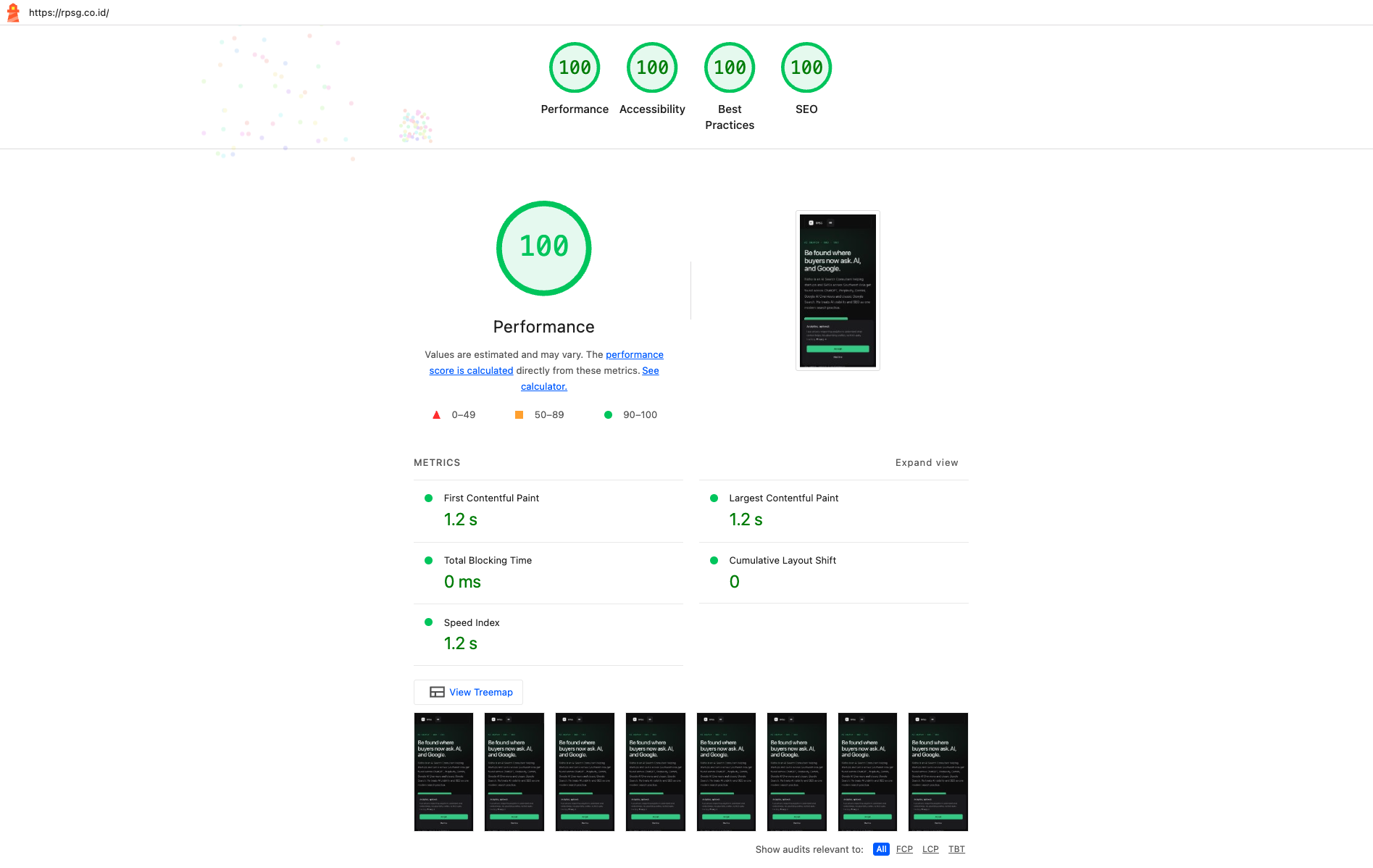
How I got rpsg.co.id to 100/100/100/100 on Lighthouse, and which fixes actually moved the score
Most Lighthouse advice tells you to chase 100 across the board. Half of it does not move the score and most of it does not move the user experience. Here is what actually got rpsg.co.id from 88/95/85/100 to 100/100/100/100, and what I would skip if I were doing this again.
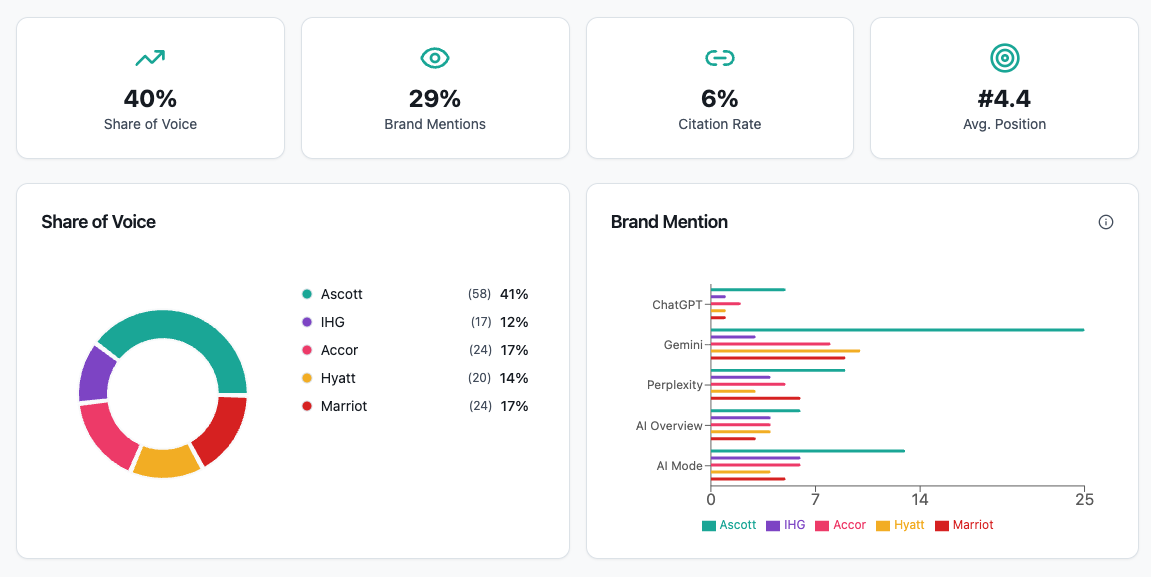
How to Measure AI Share of Voice for Your Brand
AI answers do not have positions. Either the model names a brand or it does not. That single shift breaks the measurement habit enterprise SEO programs have built around rank tracking, and it leaves a question now landing in boardrooms with no confident answer: when a buyer opens ChatGPT and asks for a recommendation in a category, how often does the brand come up.
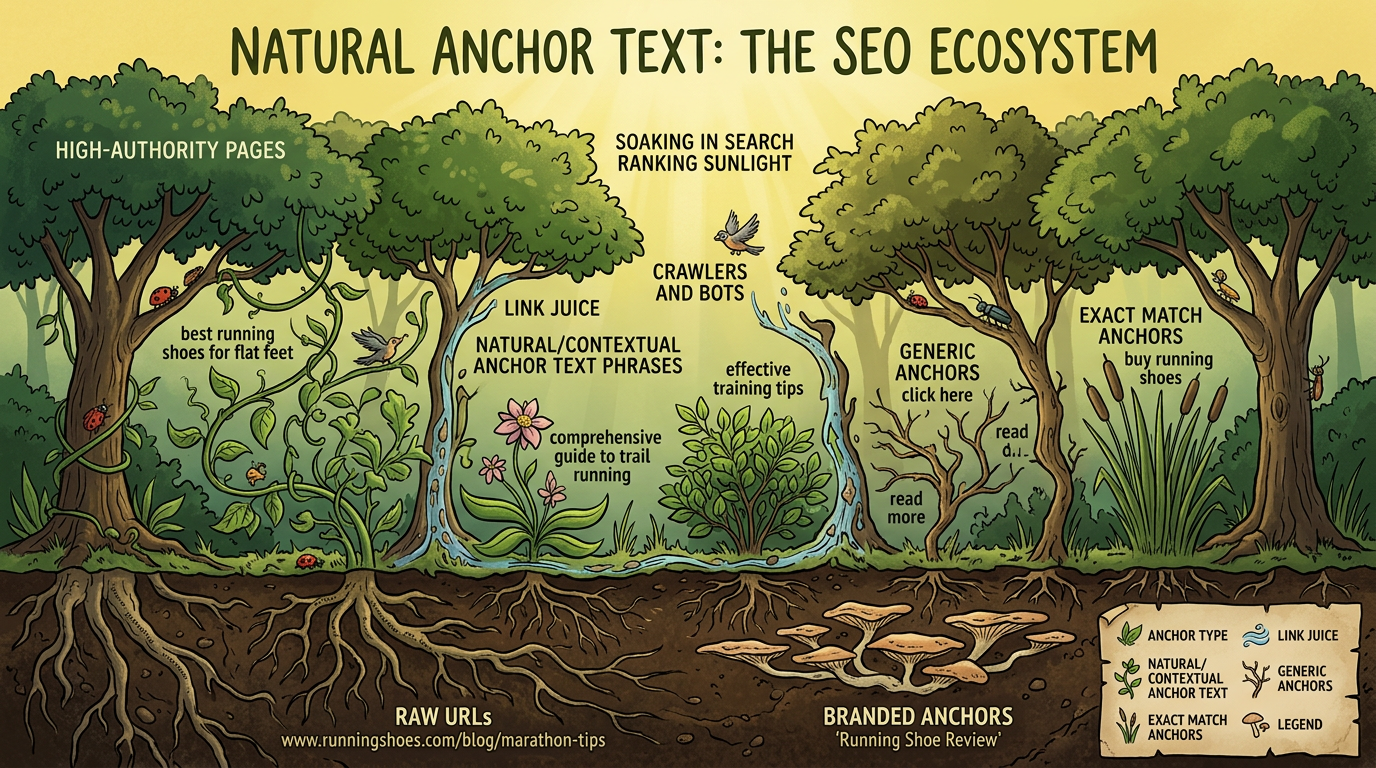
Anchor Text Patterns That Read as Natural to Google
Across healthy enterprise backlink profiles, exact-match commercial anchor text rarely accounts for more than five percent of inbound links. Across profiles that trigger Google's filters, it routinely crosses ten. The distance between those two numbers is one budget cycle of well-meaning vendor work, and the system reading the difference is more sophisticated than most teams plan for.
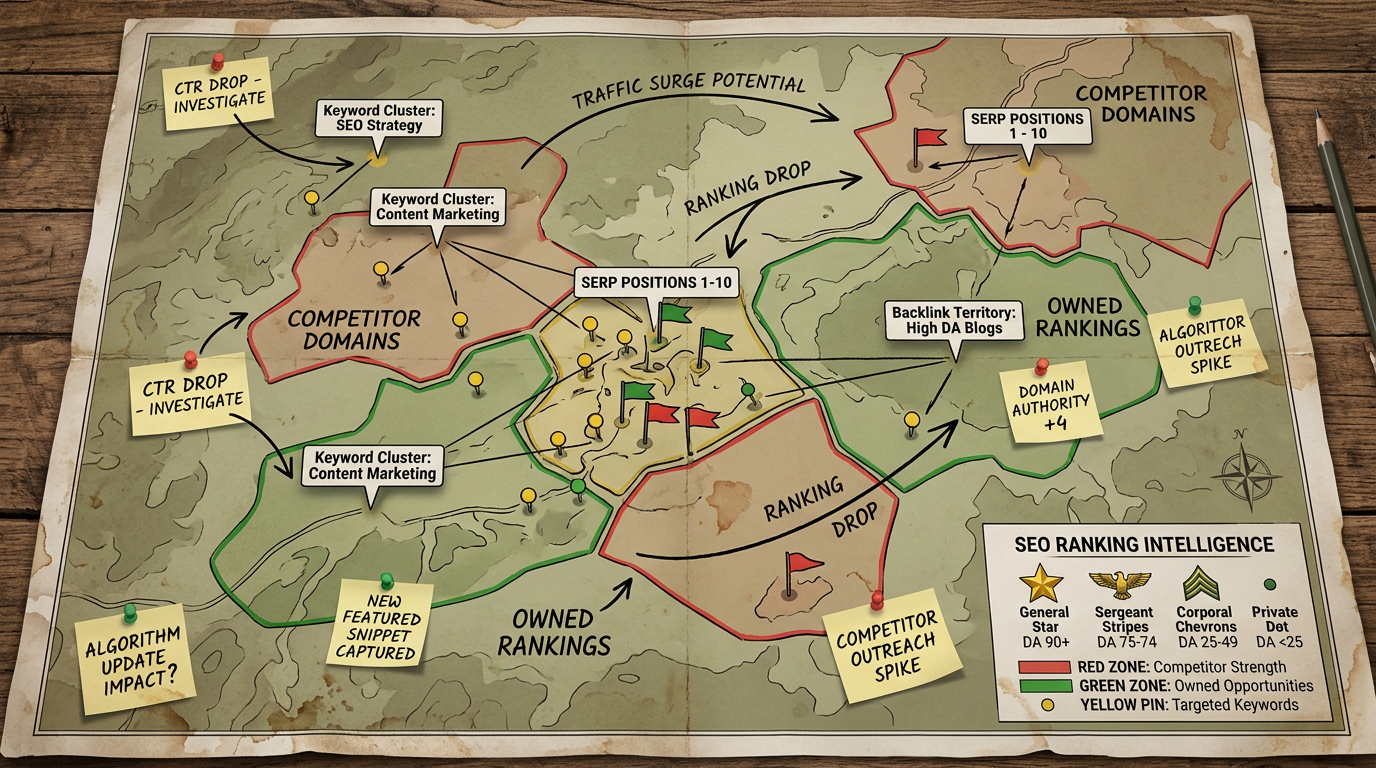
What Makes an SEO Dashboard Worth Opening
The dashboard most enterprise SEO teams use was built by the person who left two roles ago. Nobody has opened it in three weeks. Nobody trusts the numbers on it. Nobody can name what would change in the work tomorrow if a green line went red. This is the SEO dashboard problem, and it is endemic enough that solving it is a competitive advantage that costs almost nothing to ship.
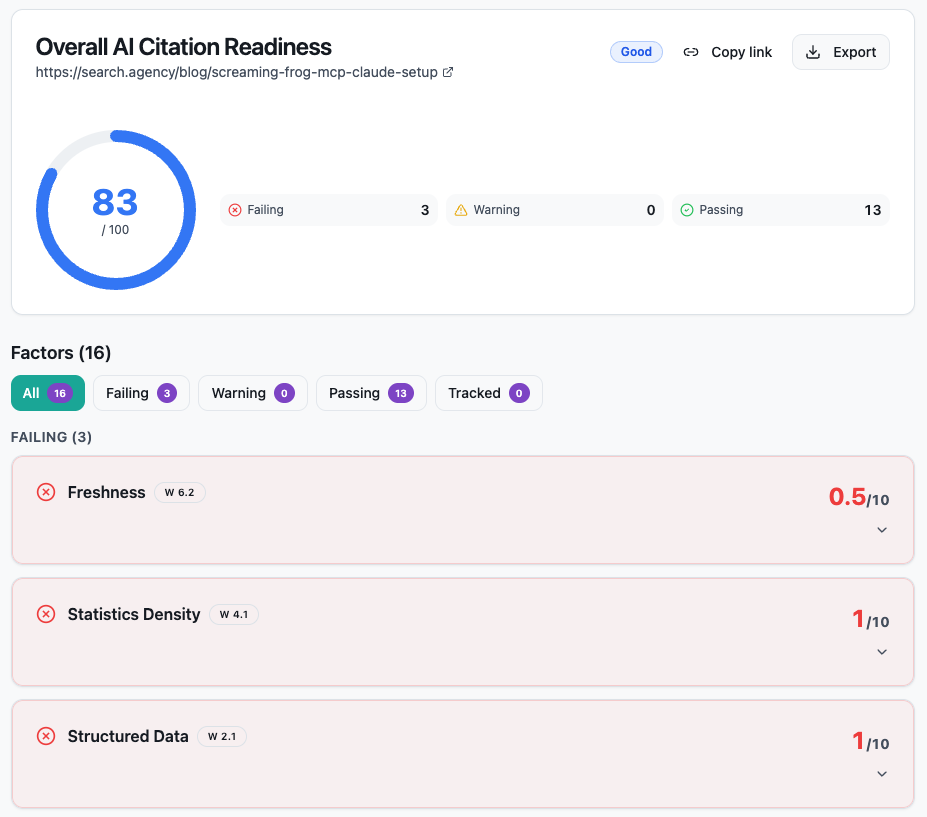
Three Factors an AI Citation Audit Caught on a Post That Scored 83
The prompt was "How to connect Screaming Frog MCP to Claude?", the page was our setup tutorial at search.agency/blog/screaming-frog-mcp-claude-setup, and the tool was StoryMint's AI Citation Audit, which scores how likely a single page is to be cited by an AI engine when a user asks a specific question. The result was an 83 out of 100, a Good rating across sixteen factors with thirteen passes, no warnings, and three failures. The three failures are the whole reason to run an audit like this. AI Citation Readiness is not a measure of how trustworthy or original a page looks in general. It is a measure of whether the retrieval stack inside an AI engine will reach for that exact page when answering that exact question, and the failures are usually the cheap mechanical things that quietly keep a page out of an answer it would otherwise win.
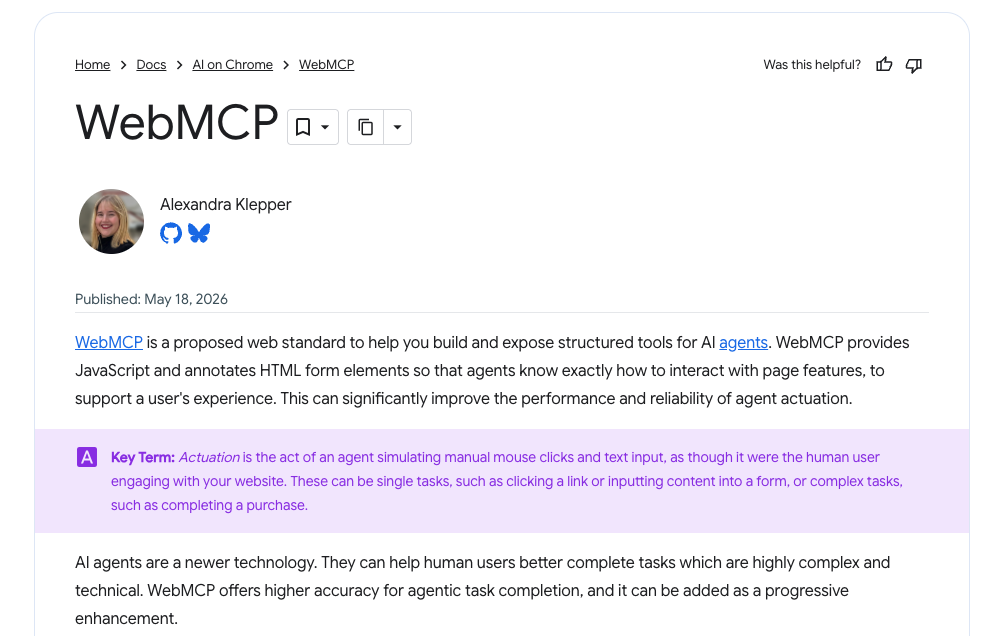
WebMCP: How to Make Your Website Executable by AI Agents
Google and Microsoft, working through the W3C Web Machine Learning Community Group, released WebMCP: a browser native JavaScript API that lets a site expose callable tools directly to AI agents. Chrome 149 moved it into a public origin trial on May 19. Edge 147 has it. The testing flag lives at chrome://flags/#enable-webmcp-testing.
Schema Markup That Still Moves the Needle in 2026
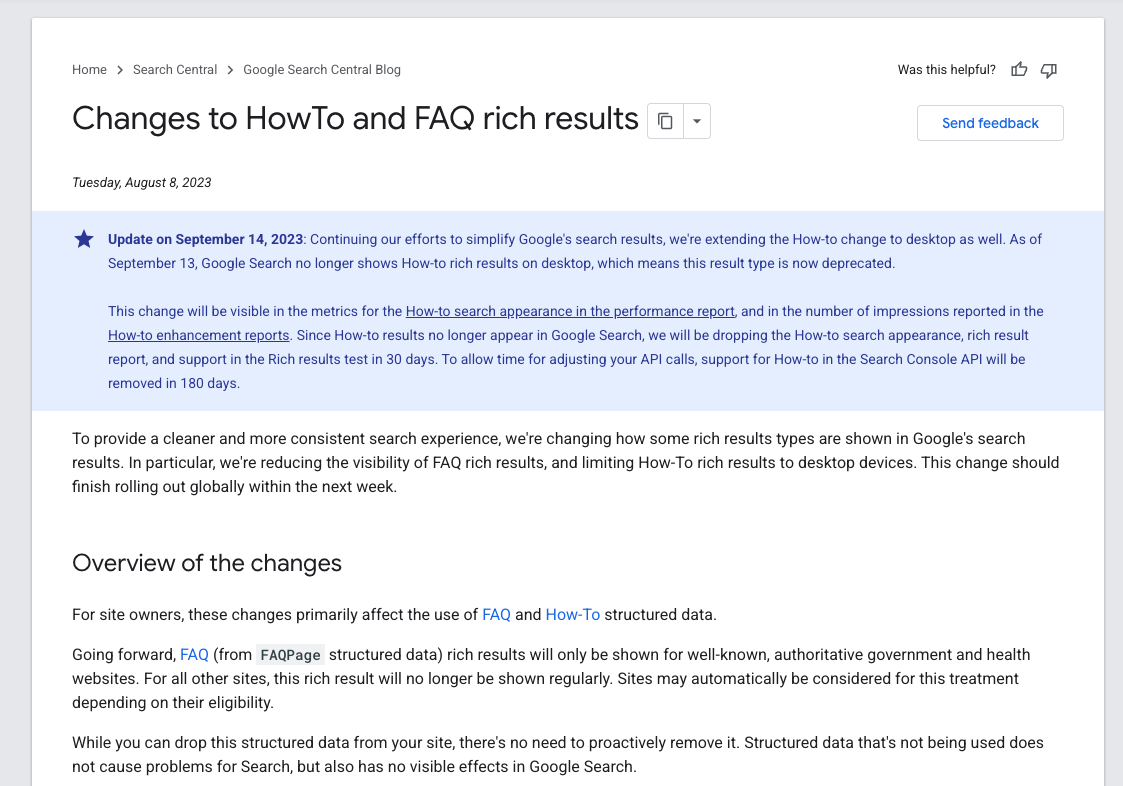
A schema audit in 2026 should start by deleting code, not adding it. Most enterprise sites still ship structured data that no surface renders, no engine rewards, and no team has reviewed since the JSON-LD was pasted in. The interesting question is not which schema to add this quarter. It is which schema is actually earning a result somewhere, and which is sitting in your `<head>` for no reason at all.

The AI Search Playbook Goes Live on June 9
The AI Search Playbook is the operating system Search Agency uses to win brand visibility for clients in ChatGPT, Gemini, Perplexity, Deepseek, and Google AI Overviews. We have run it across enterprise SEO programs in retail, hospitality, finance, FMCG, and B2B SaaS, and on June 9 we are opening the whole thing live in a free 90-minute webinar.
Rand Fishkin Is Half Right About the End of Great Content
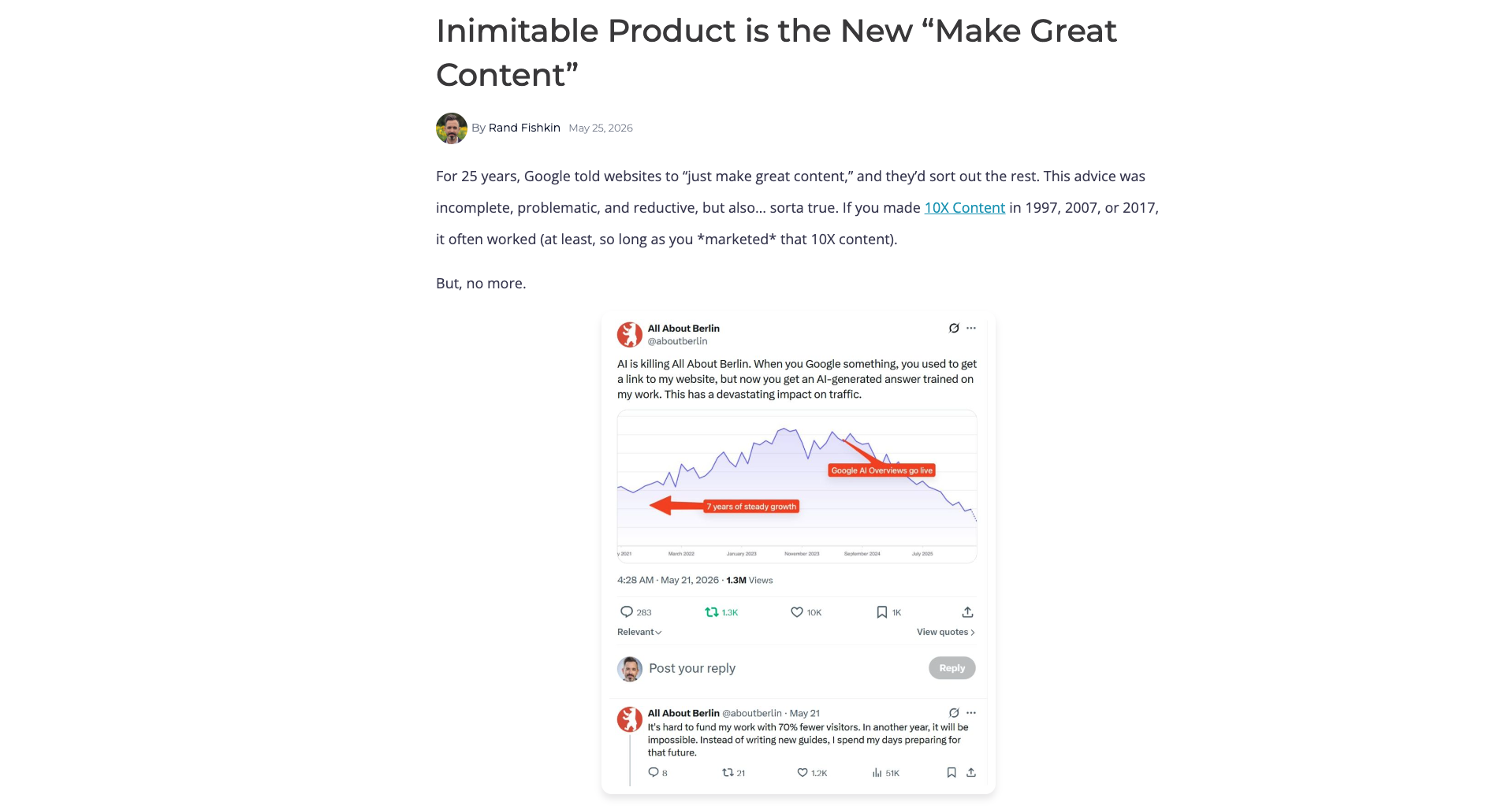
The 25-year-old loop where great content drove organic traffic and organic traffic drove growth is breaking, and his framing of why is accurate. The conclusion that companies should pivot to inimitable products instead of content does not survive contact with the enterprise SaaS market, where the inimitable product is already the company. What changes for those buyers is not whether to publish, but what publishing is for.

Our Travel Industry Study Finds Two Thirds of Google AI Mode Citations Do Not Rank in the Top 10
Two thirds of the domains Google AI Mode cites in its travel answers are not in the top ten organic results for the same query. That is the headline finding from the first 15 queries of an AI citation study Search Agency is running across the travel industry, starting with Indonesian trip-planning. It changes how enterprise SEO teams should think about who is actually getting found when an AI surface sits on top of Google.

How a Leading Maternal Nutrition Brand Came to Own AI Search in Indonesia
Generative engines now answer many of the high-intent questions that brands once captured through traditional rankings. When an AI Overview resolves a query inside the results page, the underlying website often loses the click, even when it ranks well. Across the Indonesian maternal-health category, keyword visibility contracted by roughly 9% as this repricing took hold.

When to Merge Pages and When to Keep Them Separate
Two URLs start trading places for the same query, one of them quietly losing a position it used to hold, and the team reaches the same verdict almost every time. Cannibalization. Merge them. A week later one page is redirected into the other, the report shows a problem closed, and nobody asks whether it was the right page, or even the right problem.