Field notes on search, AI, and growth.
Long form thinking from our founder and team. New writing on SEO, AI search, content strategy, digital measurement, and the work we do for brands across Indonesia and the region.
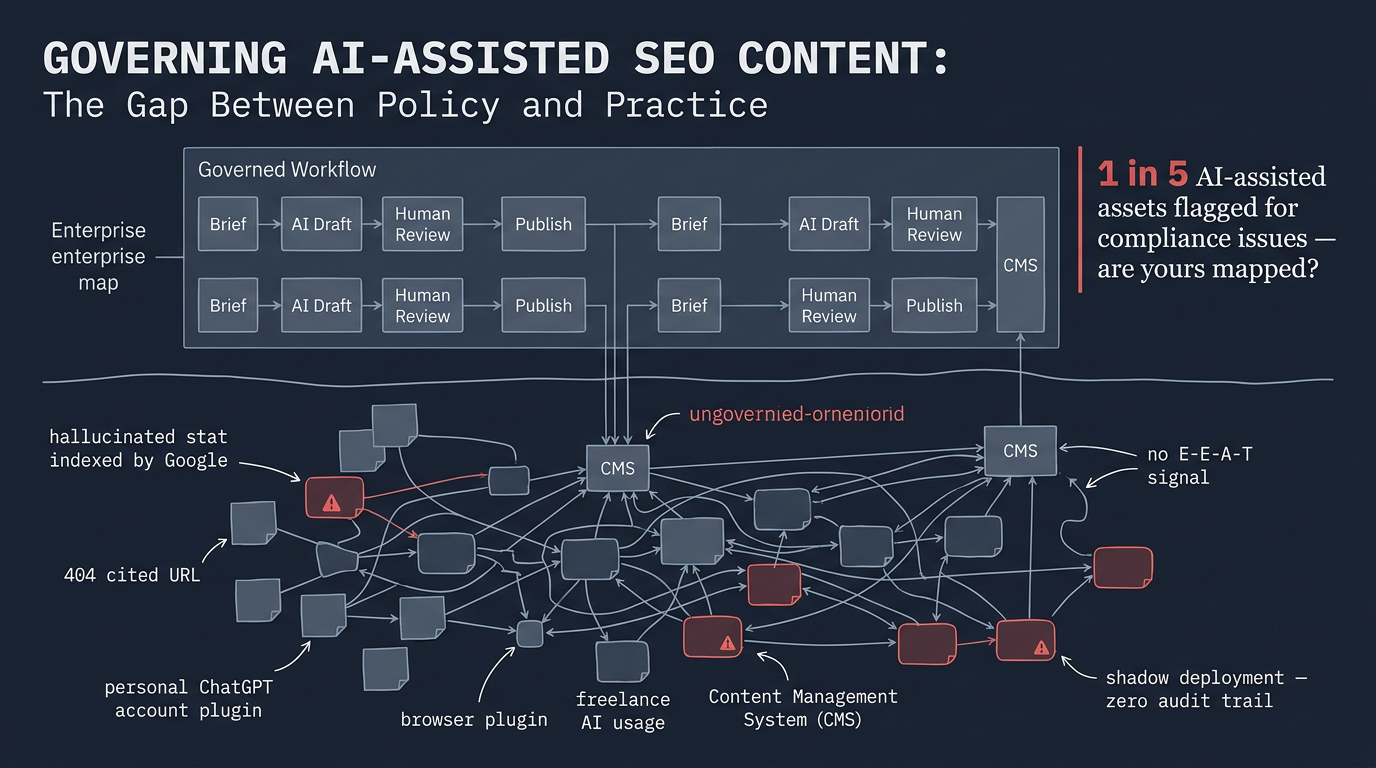
Governing AI-Assisted SEO Content at Enterprise Scale
A human directs, AI accelerates, a human verifies. Enterprises that wire that loop into roles, guardrails and pipeline checks get the speed of AI with the quality their rankings and brand depend on. Those that skip the bookends get volume that quietly erodes both. If you want help designing and running that governance model, that is part of what [our AI search team in Indonesia](/ai-search-agency-indonesia) does.

AI SEO Tools for GEO: What an Enterprise Stack Actually Needs
For an enterprise SEO team, the AI tool worth buying is not the one with the slickest demo. It is the one that fits your existing stack, holds up across thousands of pages and several markets, and produces output your governance process can stand behind. Judged that way, the tools that help a GEO program fall into four jobs: finding the right questions, structuring content for extraction, automating schema and technical hygiene, and monitoring whether engines actually cite you. The category that creates the most risk is the fifth: AI writing at volume.

How to Measure Your Brand's Visibility in AI Search
To measure your brand's visibility in AI search, you test the real prompts your buyers use across ChatGPT, Gemini and Perplexity, then record whether your brand appears, how it is described, and who is cited instead of you. Tracked over time, those three data points become a clear picture of your AI share of voice and whether your GEO work is paying off.
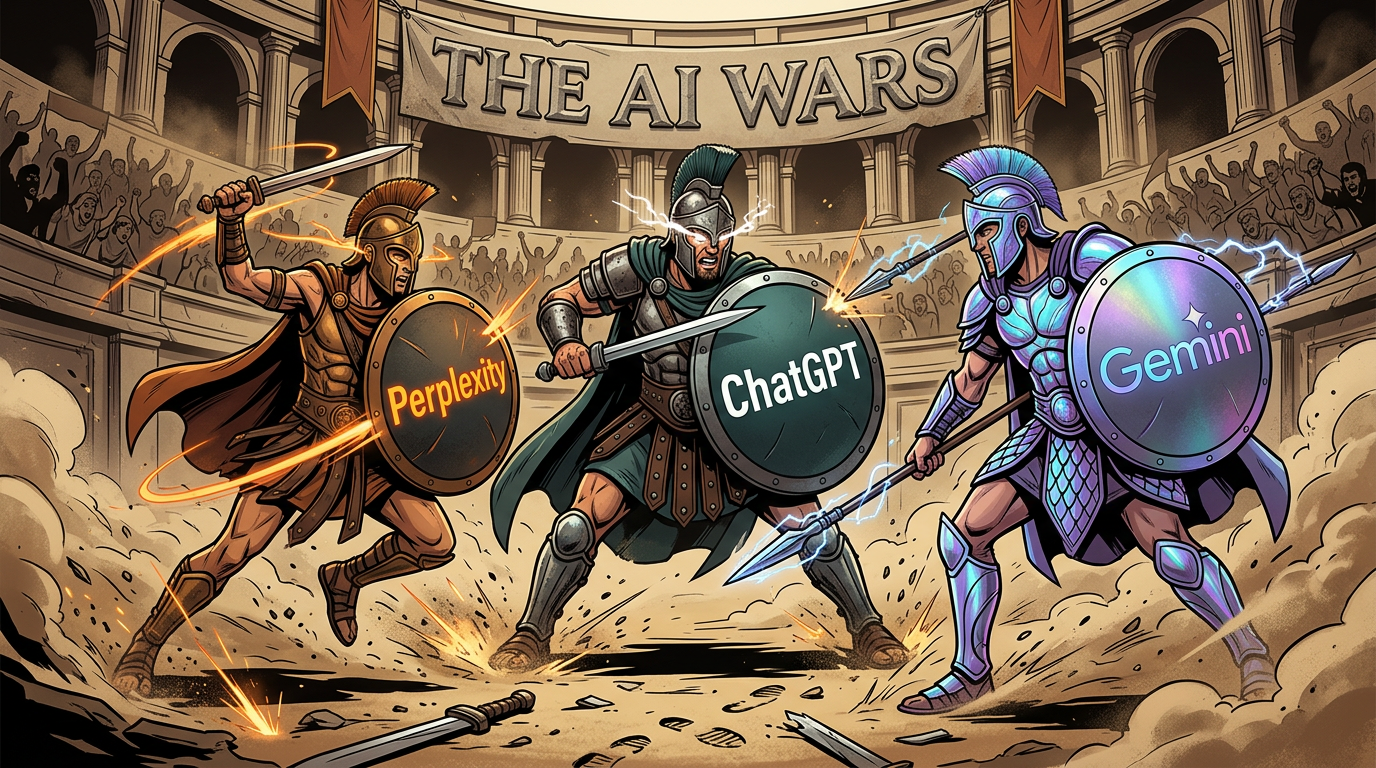
What ChatGPT, Gemini and Perplexity Mean for Enterprise Brand Visibility
For an enterprise brand, the question about ChatGPT, Gemini and Perplexity is no longer what they are. It is which brands they choose to surface, on what basis, and how much of your category's demand they now sit in front of. These three engines have become an intermediary layer between your buyers and your site, and they decide, query by query, whether a large brand is named, summarized accurately, or left out entirely.
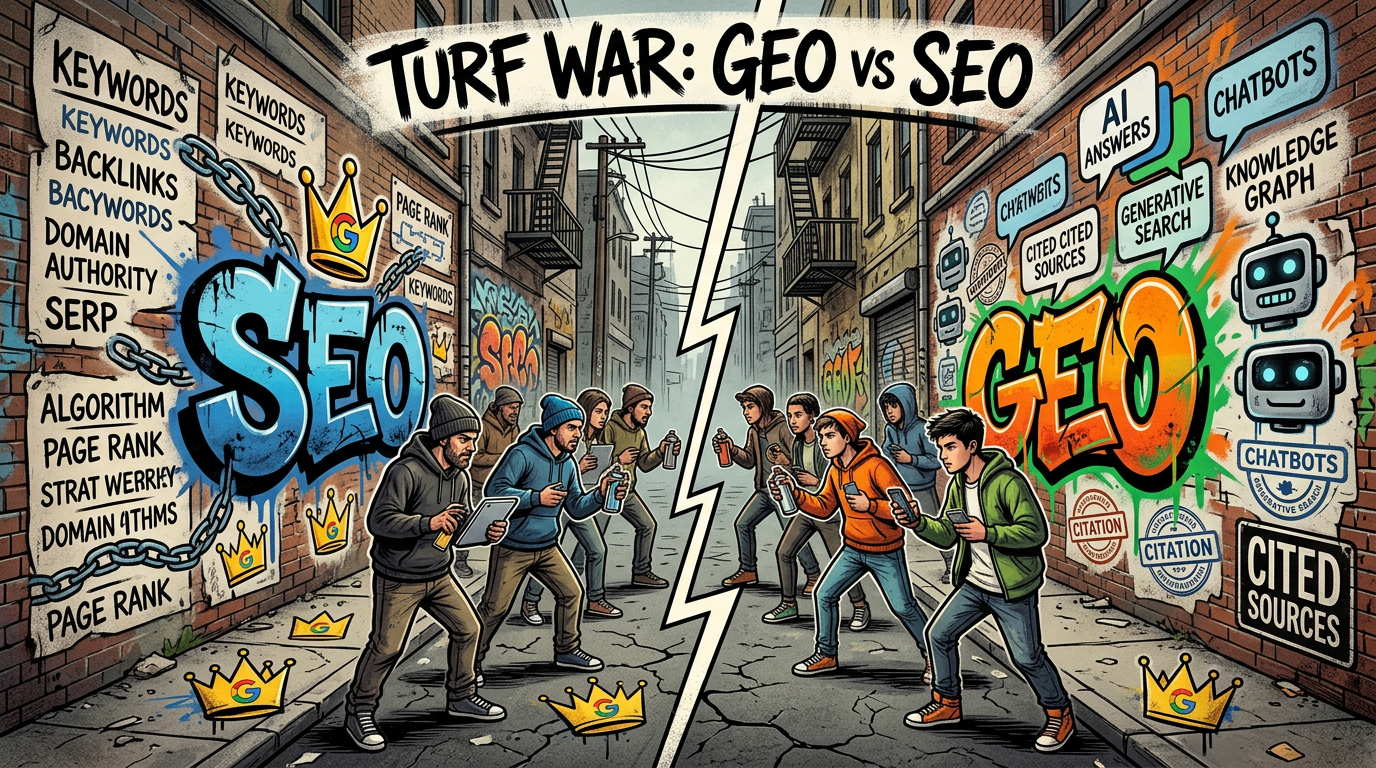
GEO vs SEO: Is SEO Dead in the Age of AI Search?
SEO is not dead. It is being absorbed into something larger. The honest answer to "GEO vs SEO" is that they are not rivals, they are two layers of the same job: SEO gets your content found by the engines, and GEO gets it quoted inside the AI answers those engines now write. The brands that treat this as a fight will pick the wrong side. The brands that treat it as one program will win both.

AI Search and GEO Agency in Indonesia
Search Agency is an AI search and GEO agency in Indonesia that helps brands get cited, mentioned and recommended inside AI answers from ChatGPT, Gemini, Perplexity and Google AI Overviews, while keeping their traditional Google rankings strong. We treat AI search and SEO as one program, because that is how visibility actually works now.
How to Get Your Brand Cited in ChatGPT, Gemini and Perplexity
To get your brand cited in ChatGPT, Gemini and Perplexity, you need to publish clearly structured, factually specific, and credibly authored content that these engines can extract and trust. Citations are not bought and they are not random. They are earned by being the easiest reliable source for the model to quote.
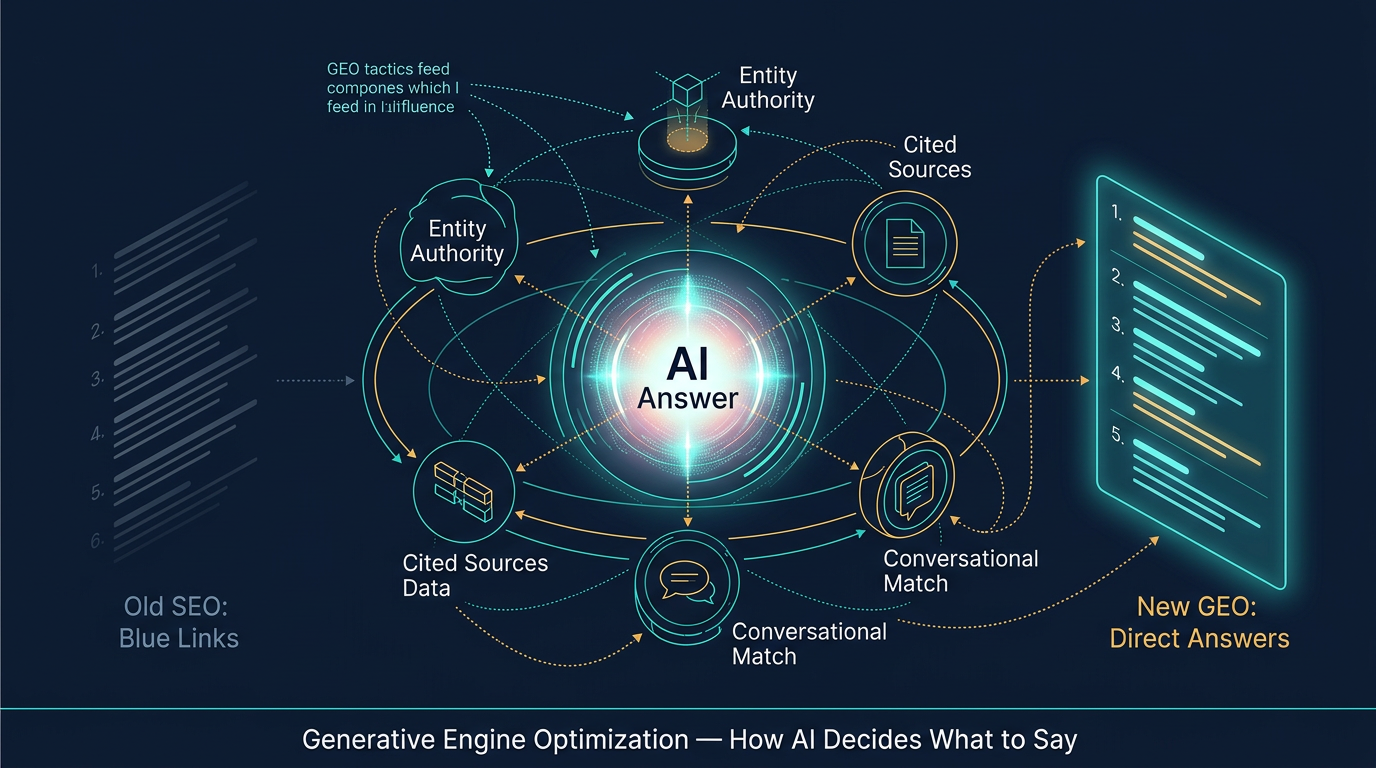
What Is Generative Engine Optimization (GEO)? The Complete 2026 Guide
Generative Engine Optimization (GEO) is the practice of structuring your content and brand presence so that generative AI engines like ChatGPT, Google Gemini, Perplexity and Google AI Overviews cite, quote and recommend you inside their answers. Where traditional SEO competes for a ranking position on a results page, GEO competes for a sentence inside an AI-generated answer.
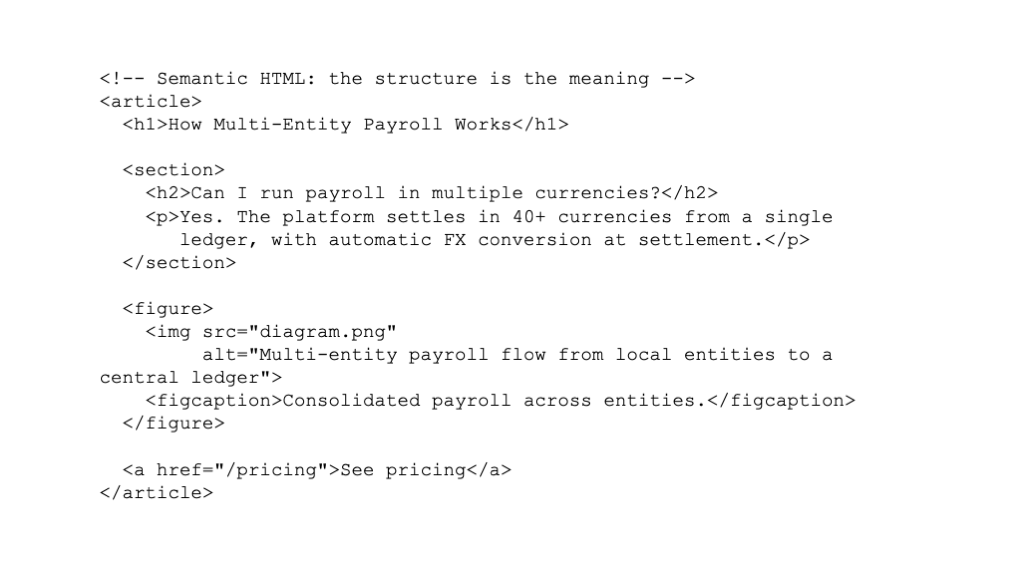
AI Does Not Need a Markdown Copy of Your Website
You do not need a Markdown version of your website for AI to read it. The advice telling you to build one has the diagnosis backwards, and acting on it burns enterprise engineering time on a problem you do not actually have.
What 20+ Search Leaders Make of Google I/O 2026 and the AI Search Shift
Google I/O 2026 turned AI into the default layer of Search rather than a feature sitting on top of it. The reactions came fast, and most of them landed on LinkedIn before they landed anywhere else. We read through the breakdowns, the newsletters, the videos, and the published analyses from the people the industry actually listens to, and pulled the signal into one place. More than twenty SEO and GEO leaders, what they agree on, where they split, and the throughline an enterprise team should act on.
Search Intent Classification That Survives Google Updates
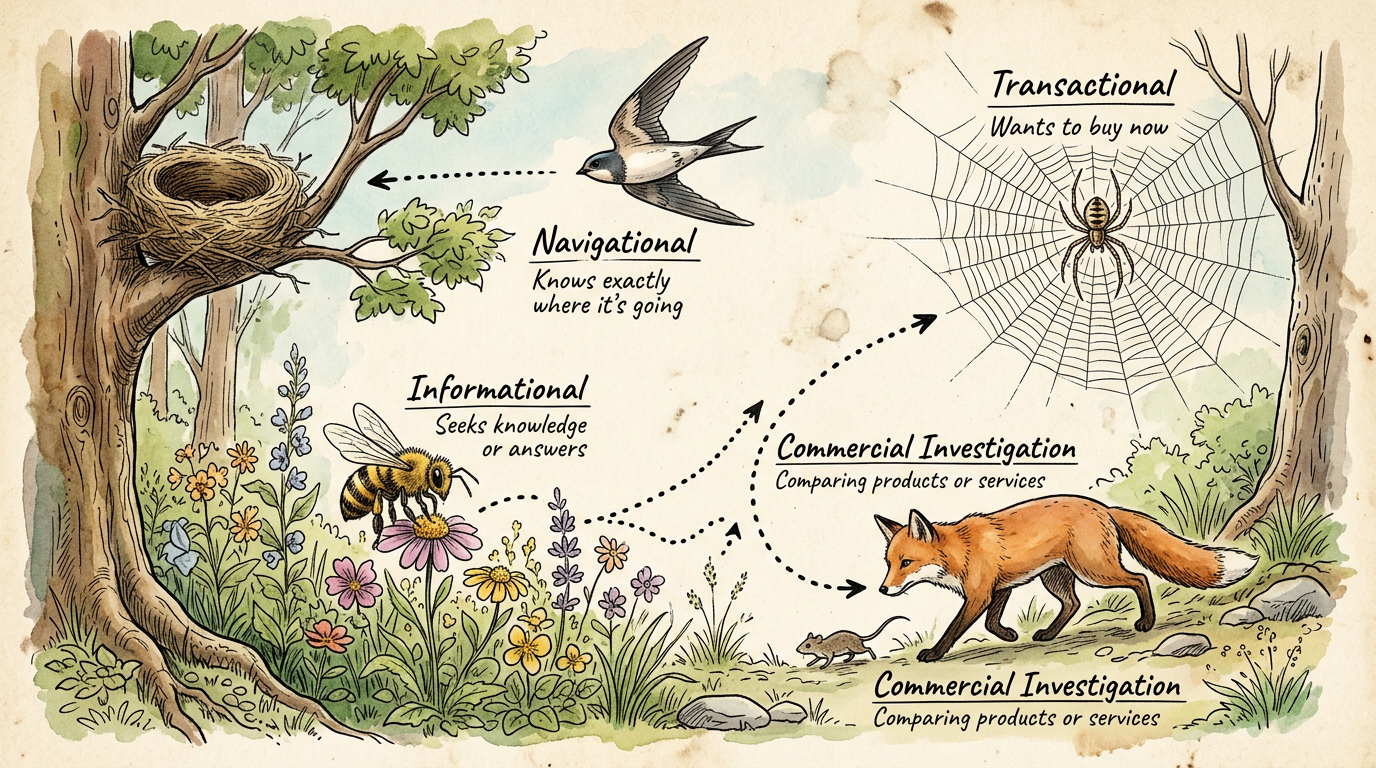
A core update rarely changes your rankings at random. More often it re-reads what people want from a query and rewards the pages that match the revised reading. Teams that treat search intent as a label they assigned once, stored in a spreadsheet, and never revisited are the ones who watch positions evaporate and call it volatility. It was not volatility. The intent moved, and their classification did not.
The AI Search Playbook for Staying Visible in AI Search
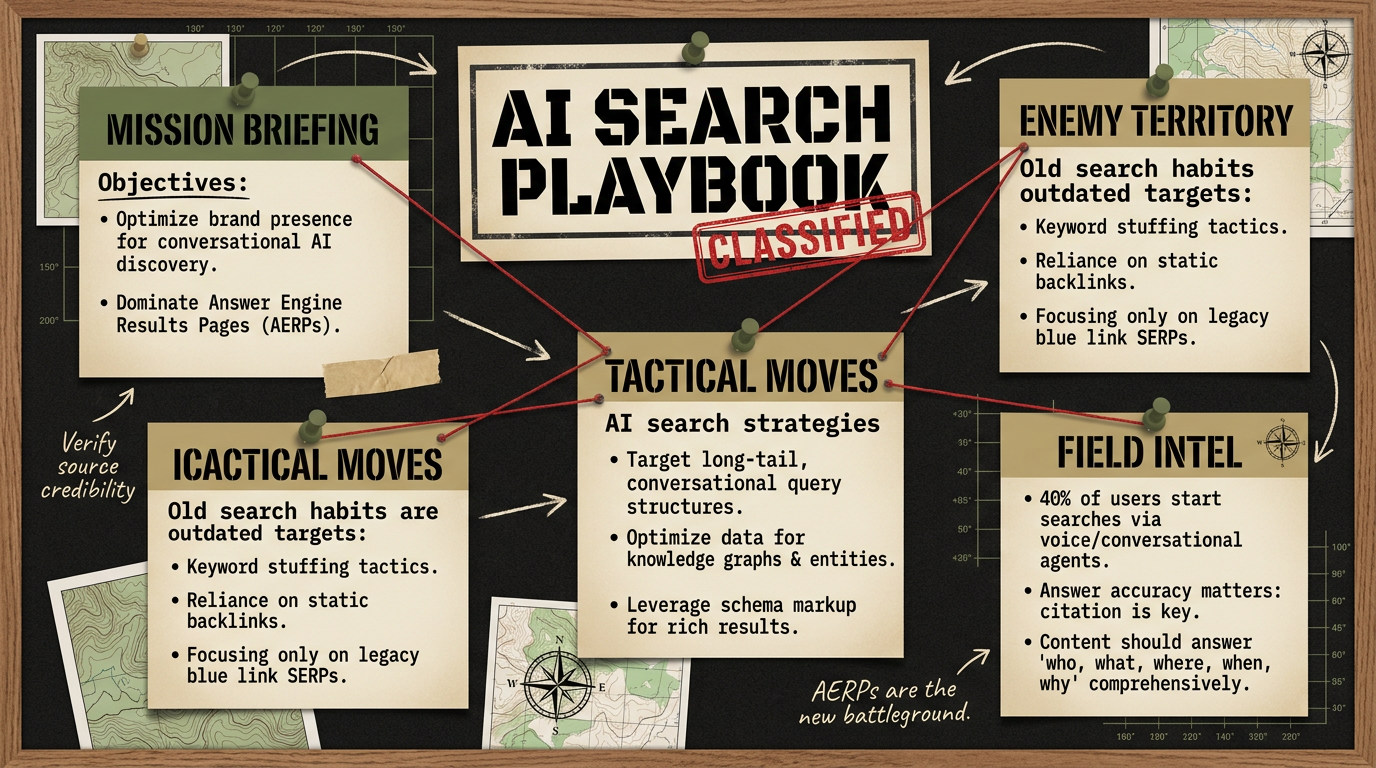
AI search optimization is how you get your brand named in the answers that ChatGPT, Gemini, Perplexity, and Google AI Overviews give, instead of being a link nobody clicks. Search is moving from ten blue links to one synthesized answer, and the brands that get cited are the ones that win. Our free AI Search Playbook shows you exactly how to be one of them.
Why Squarespace Quietly Stops Indexing Your Blog Posts (And How to Fix It)
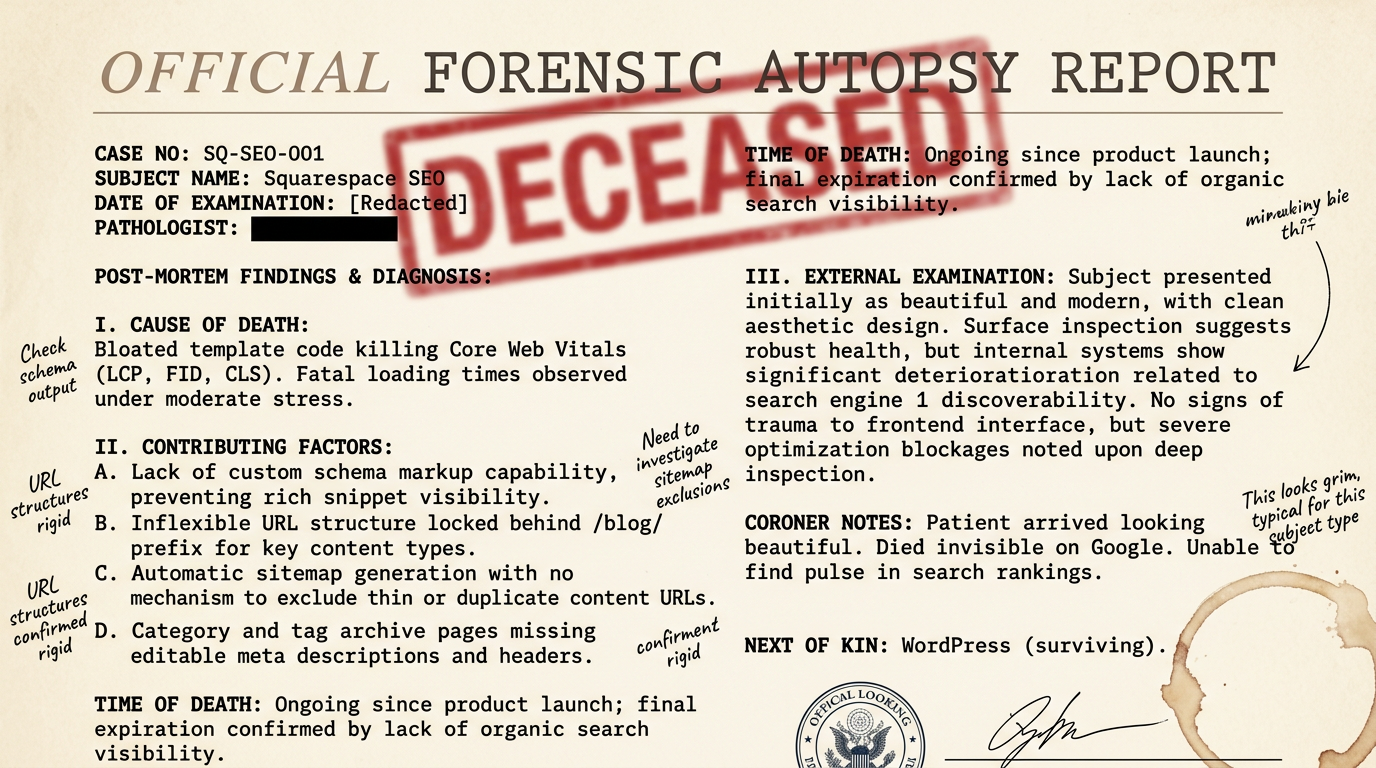
Open Google Search Console for almost any Squarespace site that has been publishing for a few years, go to the Pages report, and scroll down to the Not indexed section. There is a good chance you will see what we saw on our own site: a quiet stack of perfectly good blog posts sitting under "Crawled - currently not indexed" and "Discovered - currently not indexed," missing from search and slowly bleeding away the authority you spent years building.

Google's AI Already Answers 88% of Indonesia's Child Nutrition Searches
We took 50 of the highest-intent questions parents ask about feeding and raising young children, then checked what Google actually shows. Nine in ten now return an AI Overview, and the category's most visible brand is cited in only half of them. Here is what that means for anyone selling to parents.
Meet Doni Dwi Resdianto, the SEO Manager Steering Your Search Growth
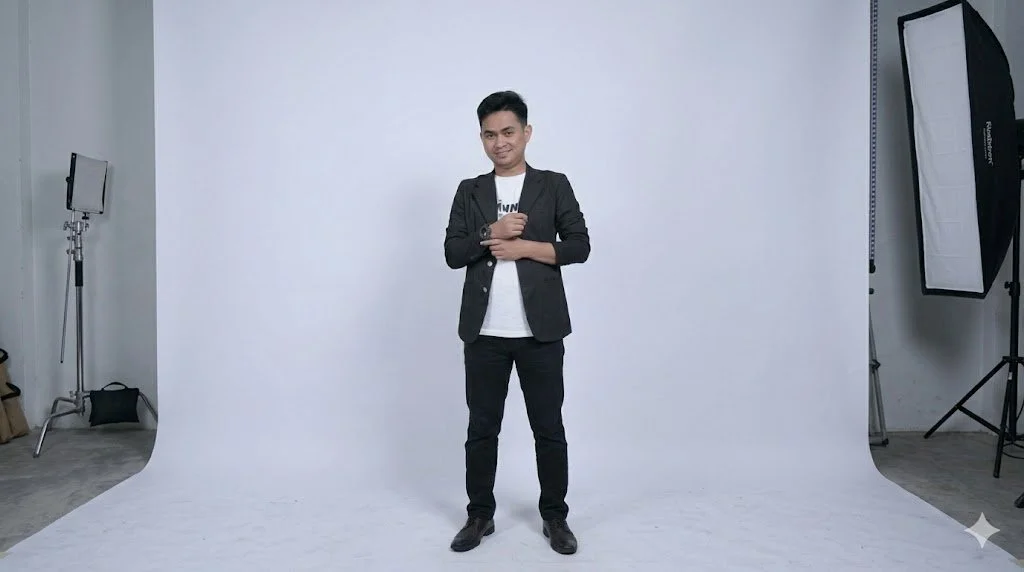
Doni did not arrive at SEO from a marketing seminar. He came up through the work itself. He started in 2013 looking after a company website, then moved into agency life, growing from SEO Executive to SEO Manager to Head of SEO at InboundID, an inbound marketing agency in Jakarta. Those years taught him the breadth that agency work demands: many clients, many industries, and many different definitions of success, all running at once.
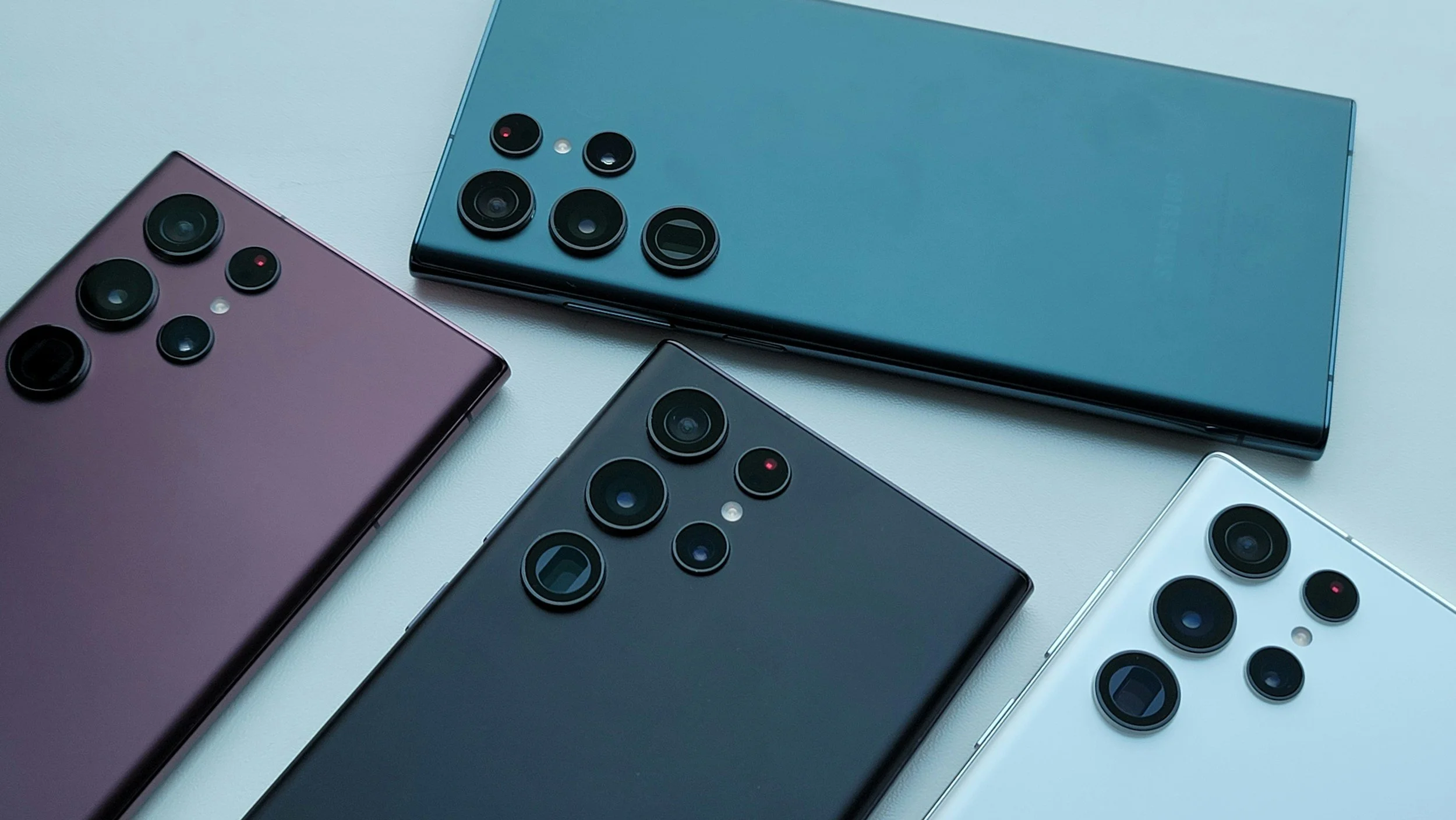
Samsung Owns 64% of What Google's AI Says About Phones in Indonesia
We put 266 real buying questions to Google AI Mode in Indonesia and counted every brand it named. Samsung took almost two thirds of the mentions and Apple barely a sixth. Here is how Google's AI already picked a winner, and what the rest of the market can do about it.
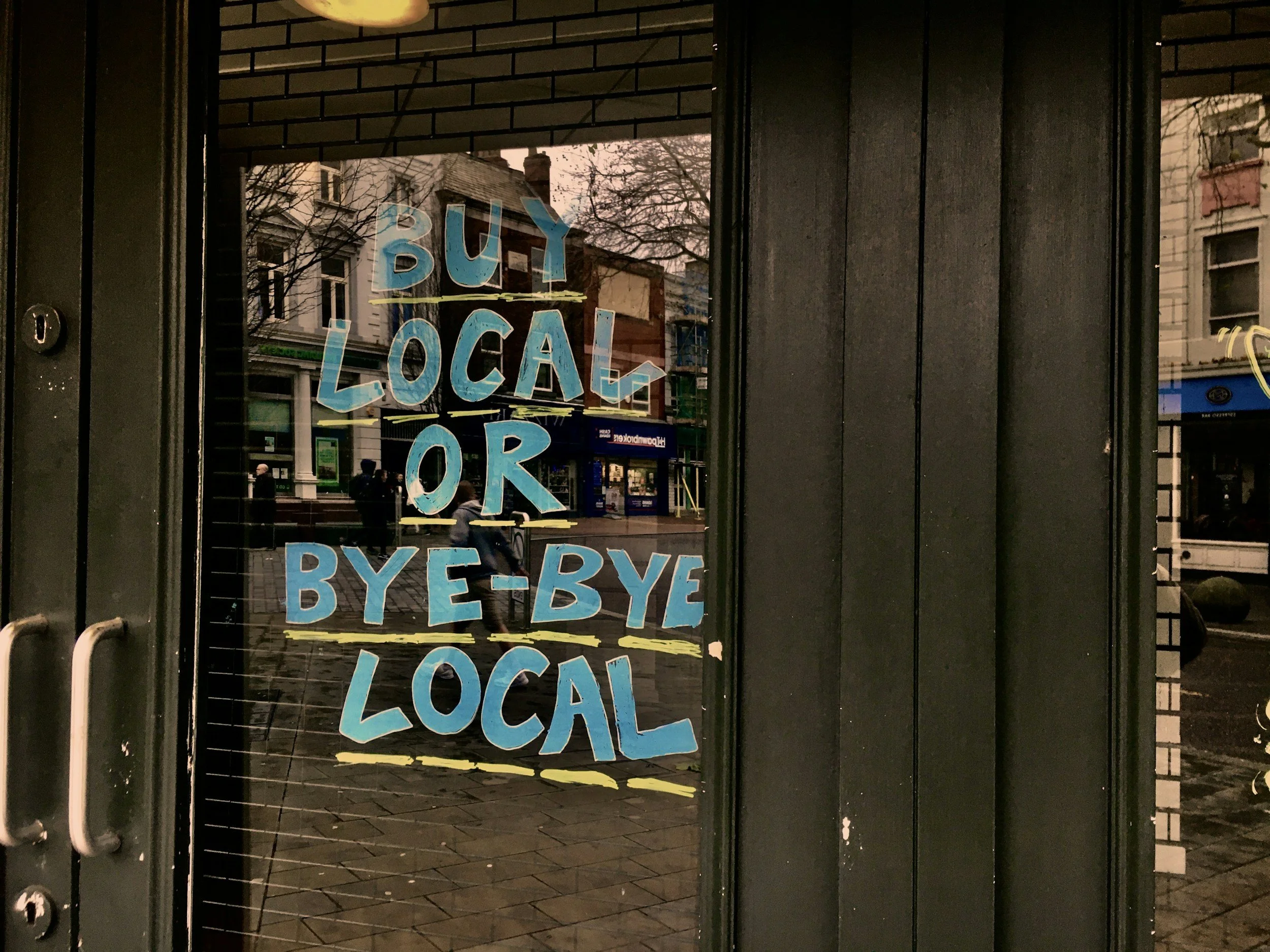
Multi-Location Local SEO for Indonesian Brands
Google ranks local results on three broad inputs: proximity, relevance, and prominence. Proximity is the distance between the searcher and the business. Relevance is how well your profile and your pages match the intent behind the query. Prominence is how well known and trusted the location is, signalled by reviews, links, citations, and real-world recognition.
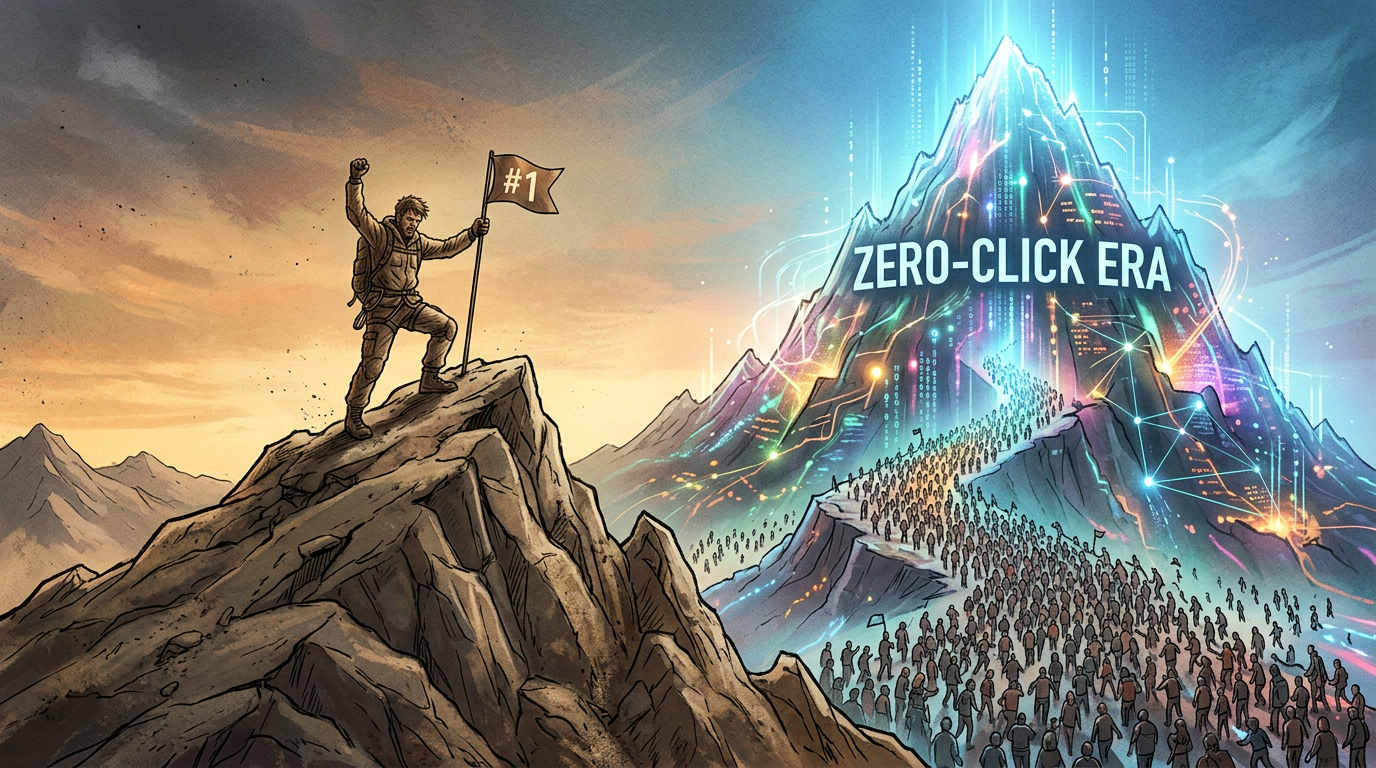
When Ranking #1 Stops Being Enough in the Age of AI Search
A leading prenatal nutrition brand was pulling close to 48 million search impressions a month and still watching its traffic slip. Here is what its data taught us about doing SEO in the age of AI Overviews, and what it means for your strategy in 2026.
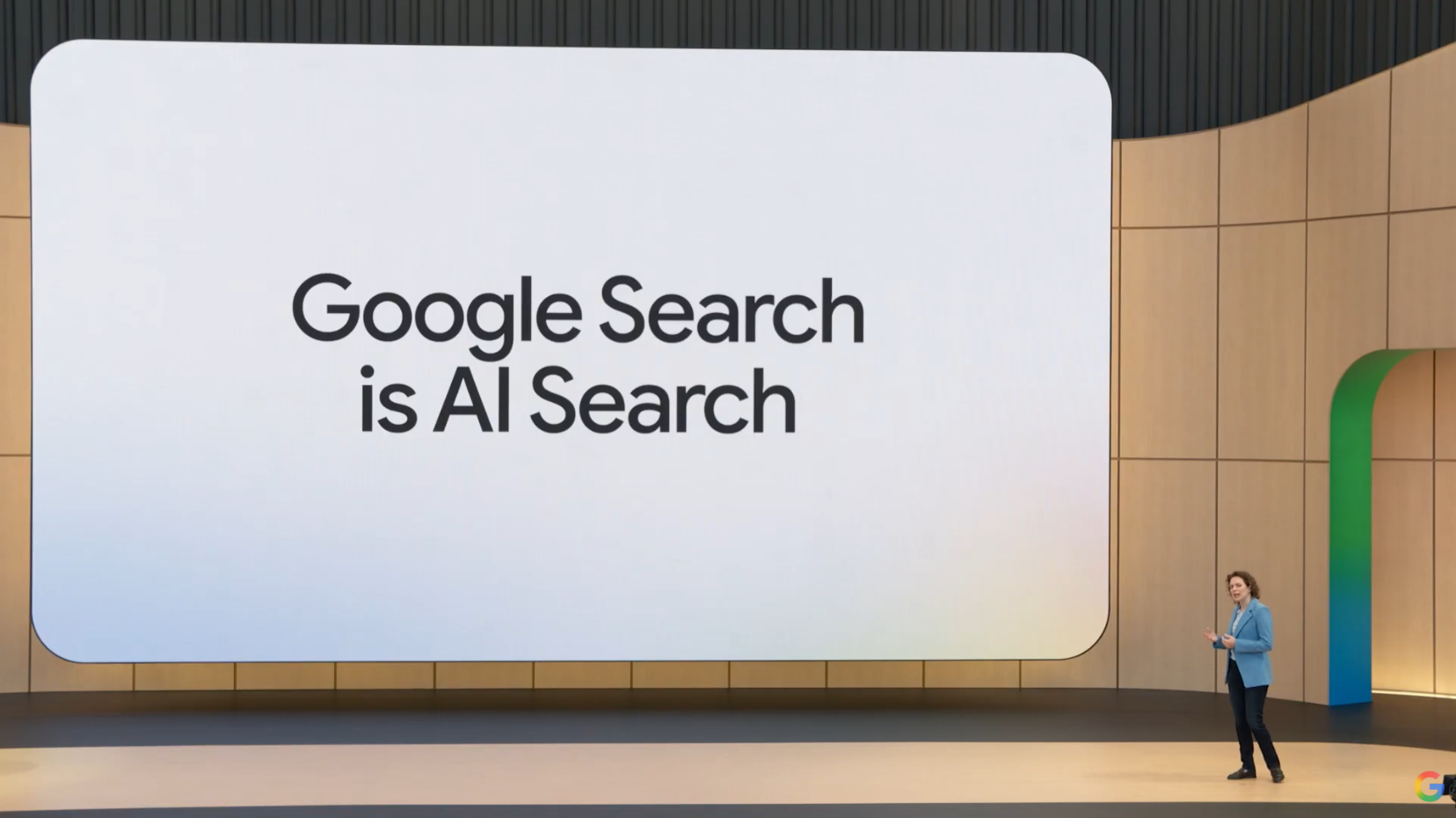
Google I/O 2026: The 90-Day Playbook for the New AI Search Era
The brands that publish original, structured, machine-actionable content and treat each major AI engine as its own optimization problem will own the next 12 months. The brands that depend on summarizable middle-funnel content and treat Google's guide as the universal map will quietly disappear from the new front door.
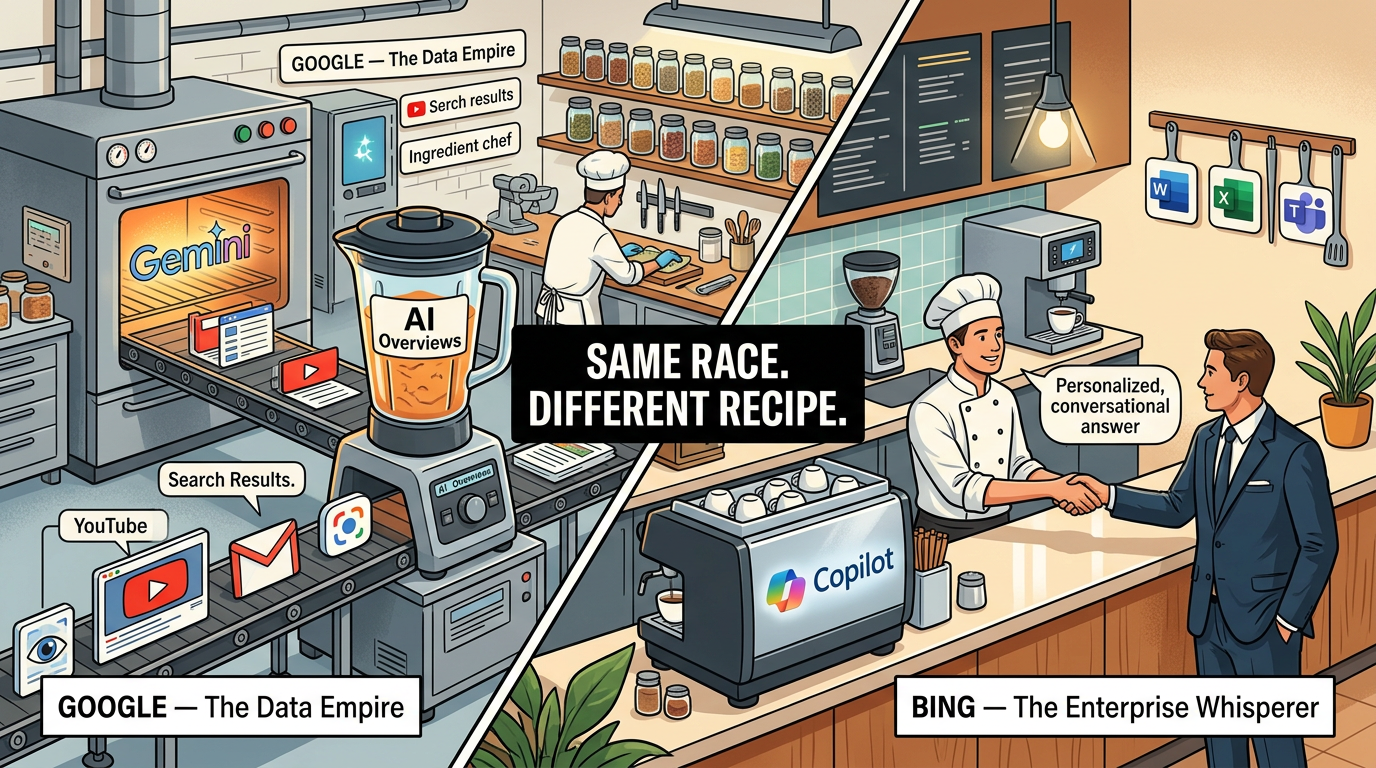
Microsoft AI Search Guide That Google Couldn't Write
Microsoft published the AI search guide nine days before Google, and the SEO industry only paid attention to Google's. One is a marketing document. The other is a technical paper from the company that powers ChatGPT. Here is why that matters.