
AI Search.
87 articles
Posts
You Still Need to Rank in Traditional Search if You Want to Win the AI Search Battle
In early 2026, Lily Ray tracked 11 websites that lost organic visibility after a Google update. Every one of them also lost AI citations. Organic traffic fell 26.7% on average. AI citations fell 22.5% over the same window, and the per-platform drops tracked the organic drop almost line for line: Google AI Mode down 23.8%, ChatGPT down 27.8%.
Read post →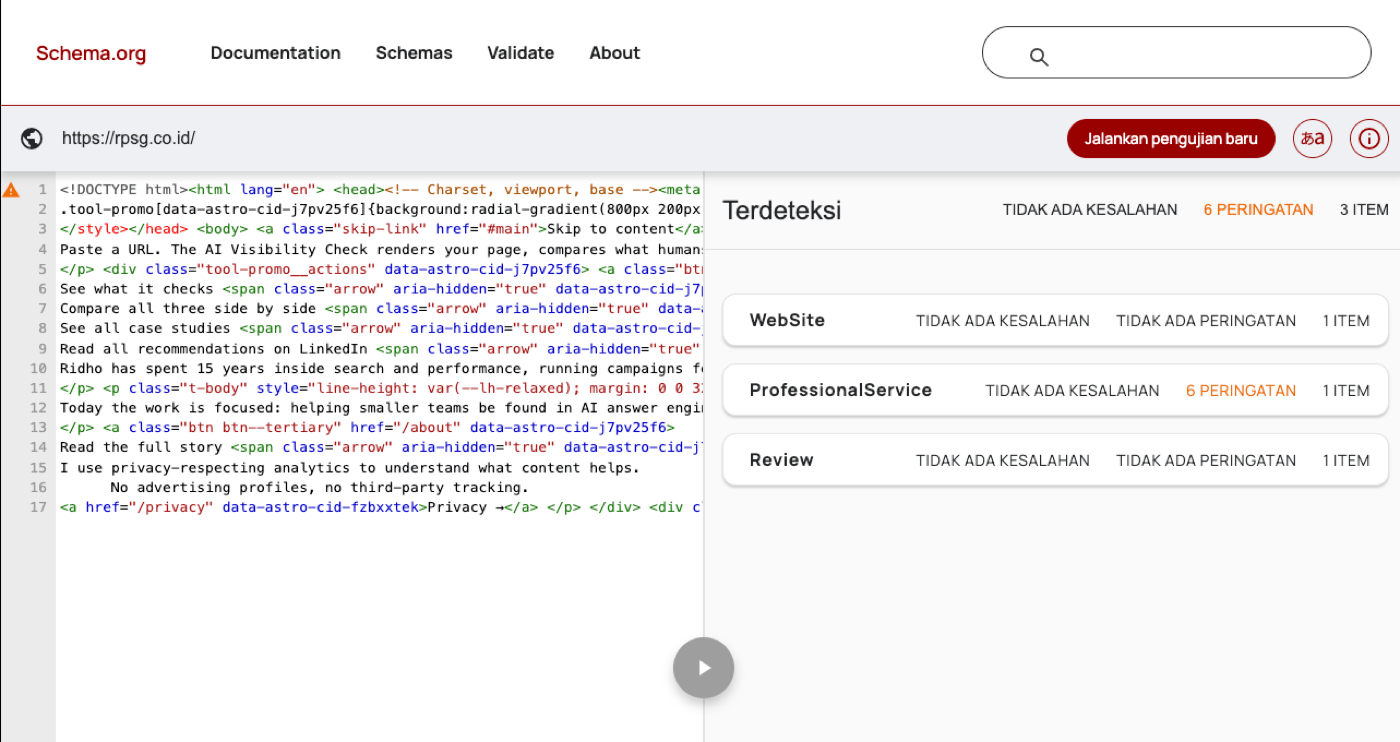
Schema markup won't get you cited by AI. Here is what it actually does.
The indirect path is plain SEO. Schema earns rich results and helps Google and Bing understand your pages. Those two indexes are exactly what AI Overviews and ChatGPT search retrieve from. AI Overviews are grounded in Google's ranking systems, and roughly [97 percent of them cite a source from the top 20 organic results](https://www.seoclarity.net/research/aio-rankings-overlap). If schema helps you rank and get indexed, it buys you a ticket into the pool the model draws from. The benefit is two steps removed, but it is not imaginary.
Read post →
You Are Competing Against Your Own Pages. Here Is What That Costs in AI Search.
Duplicate content has never carried a penalty. That is exactly why it goes unfixed for years. There is no warning in your dashboard, no manual action, no ranking drop you can point at on a Tuesday. The cost shows up somewhere else, as authority that should have stacked on one page spread thin across five, and as an AI assistant citing a version of your page you forgot you published.
Read post →
Which AI Crawlers to Block When Bots Are More Than Half Your Traffic
More than half of what your servers answer is now machines, and most AI crawlers take your content without sending anyone back. Here is how to tell the useful bots from the freeloaders.
Read post →
How Hotel Brands Get Cited in AI Search
A traveller planning a four-day family trip to Bali no longer types "hotels in bali" into a search box. They ask an assistant where to stay near the beach with halal food nearby and a property good for kids, and they expect a named recommendation they can book. The answer they get is assembled, not ranked, and the hotels inside it were chosen by a system that read the web differently from how any hotel marketing team has been optimising for it. For hospitality brands, that gap between how guests now search and how their content is built is the whole game.
Read post →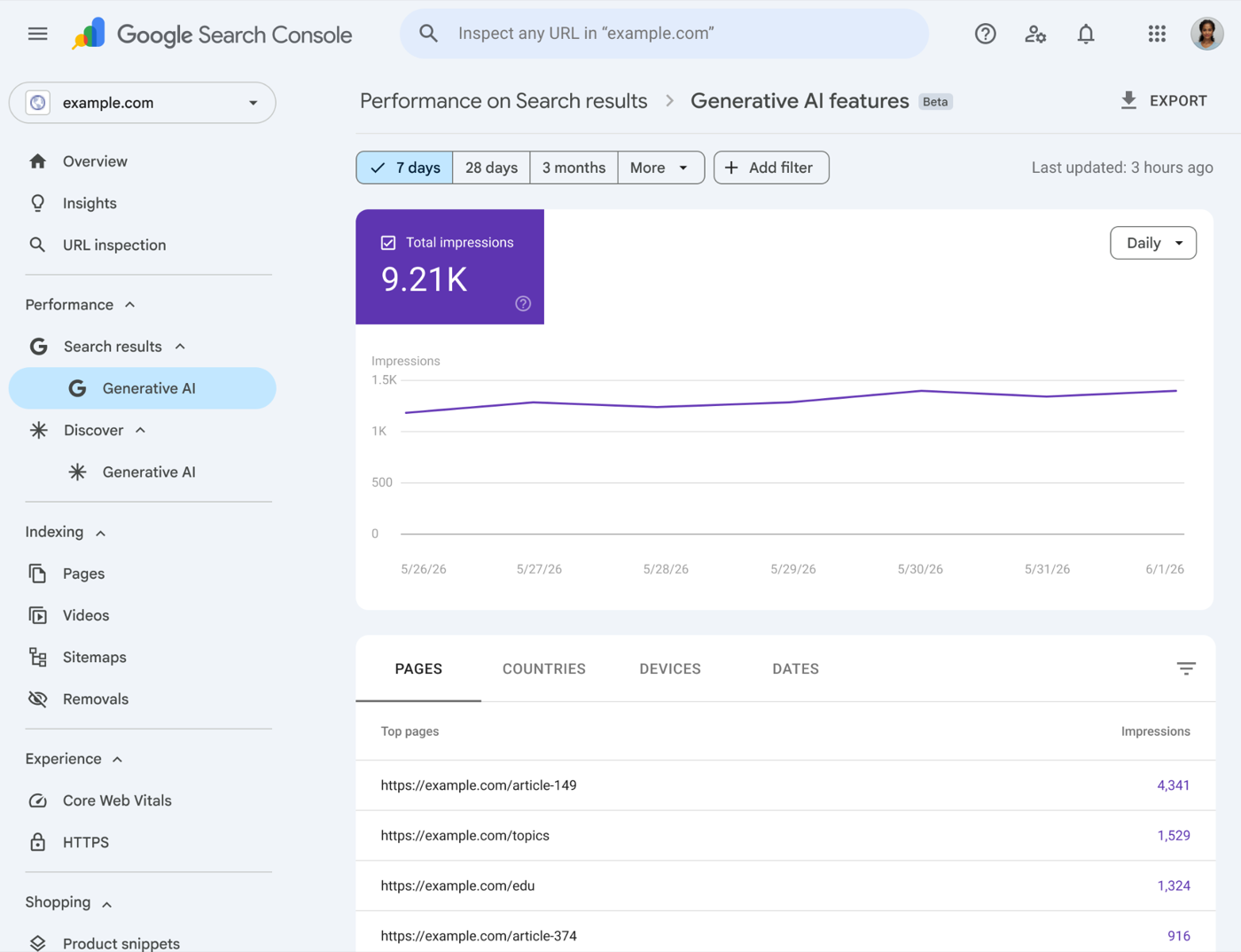
Google's New AI Performance Reports in Search Console
Google has given Search Console its first dedicated view of how pages perform inside its generative AI surfaces. Announced on June 3, the new Search Generative AI performance reports break out the impressions a site earns in AI Overviews and AI Mode, along with generative AI features in Discover, with breakdowns by page, country, device, and date down to hourly granularity.
Read post →
What Google AI Mode Cites When Indonesians Plan a Trip
We wanted to see exactly which sites those are. So we built a structured set of Bahasa Indonesia travel prompts, ran each through Google AI Mode, and parsed every domain it cited. What came back was a clear picture of who Google has decided is authoritative on Indonesian travel, and an equally clear picture of who is being read around.
Read post →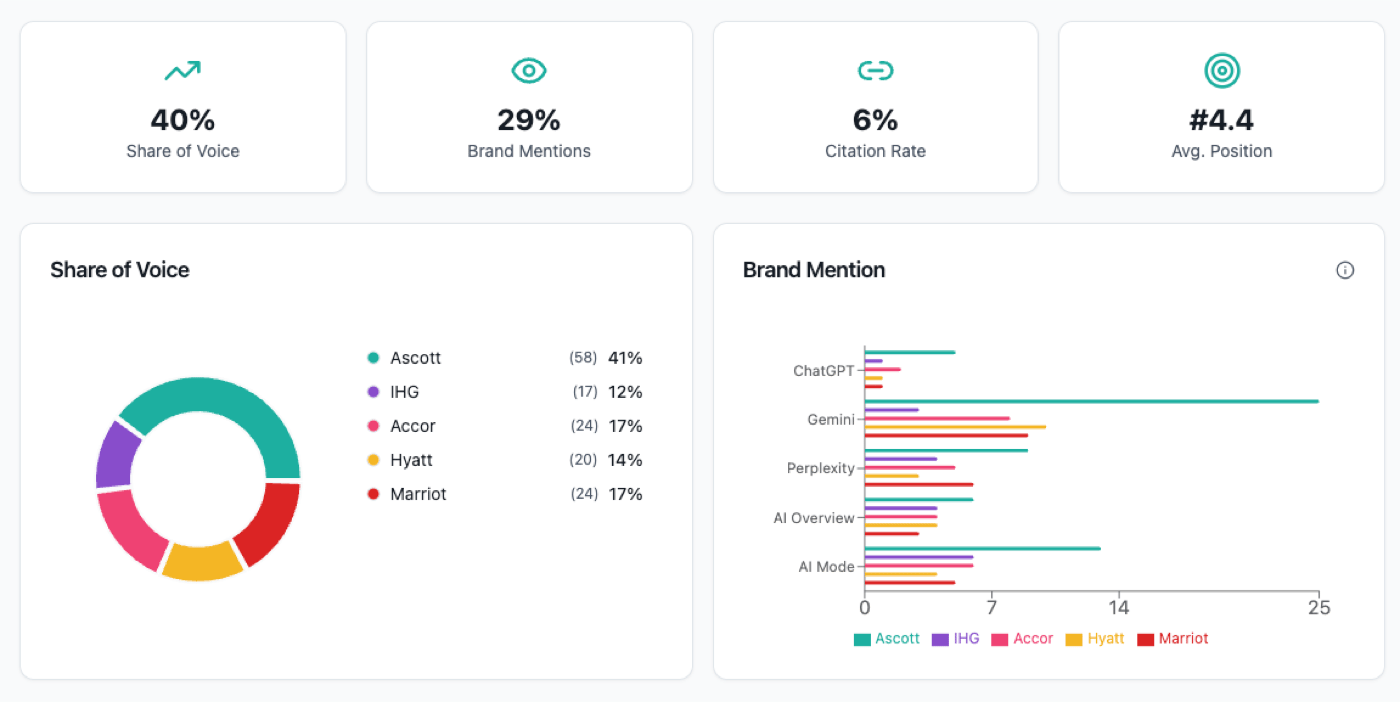
How to Measure AI Share of Voice for Your Brand
AI answers do not have positions. Either the model names a brand or it does not. That single shift breaks the measurement habit enterprise SEO programs have built around rank tracking, and it leaves a question now landing in boardrooms with no confident answer: when a buyer opens ChatGPT and asks for a recommendation in a category, how often does the brand come up.
Read post →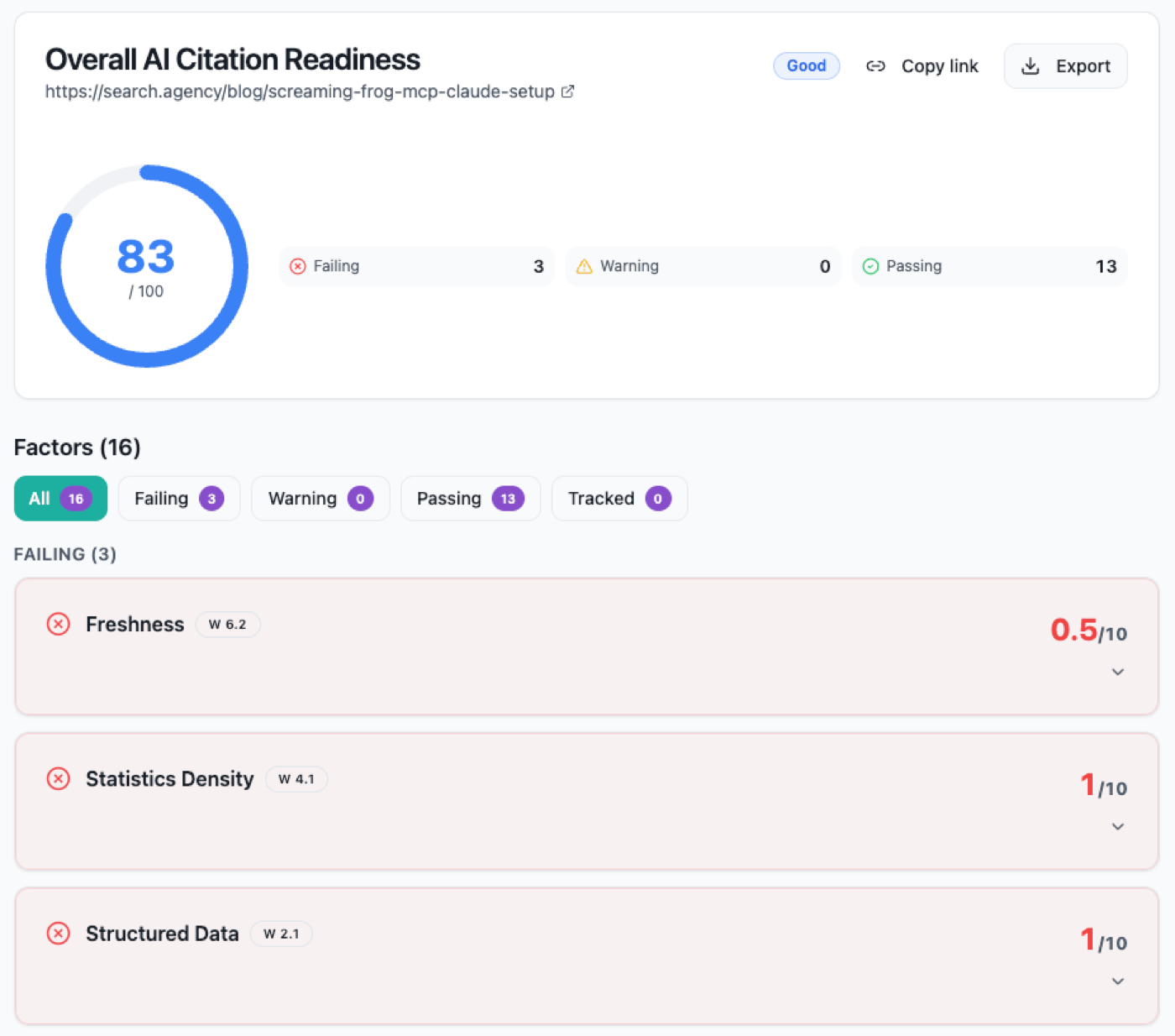
Three Factors an AI Citation Audit Caught on a Post That Scored 83
The prompt was "How to connect Screaming Frog MCP to Claude?", the page was our setup tutorial at search.agency/blog/screaming-frog-mcp-claude-setup, and the tool was StoryMint's AI Citation Audit, which scores how likely a single page is to be cited by an AI engine when a user asks a specific question. The result was an 83 out of 100, a Good rating across sixteen factors with thirteen passes, no warnings, and three failures. The three failures are the whole reason to run an audit like this. AI Citation Readiness is not a measure of how trustworthy or original a page looks in general. It is a measure of whether the retrieval stack inside an AI engine will reach for that exact page when answering that exact question, and the failures are usually the cheap mechanical things that quietly keep a page out of an answer it would otherwise win.
Read post →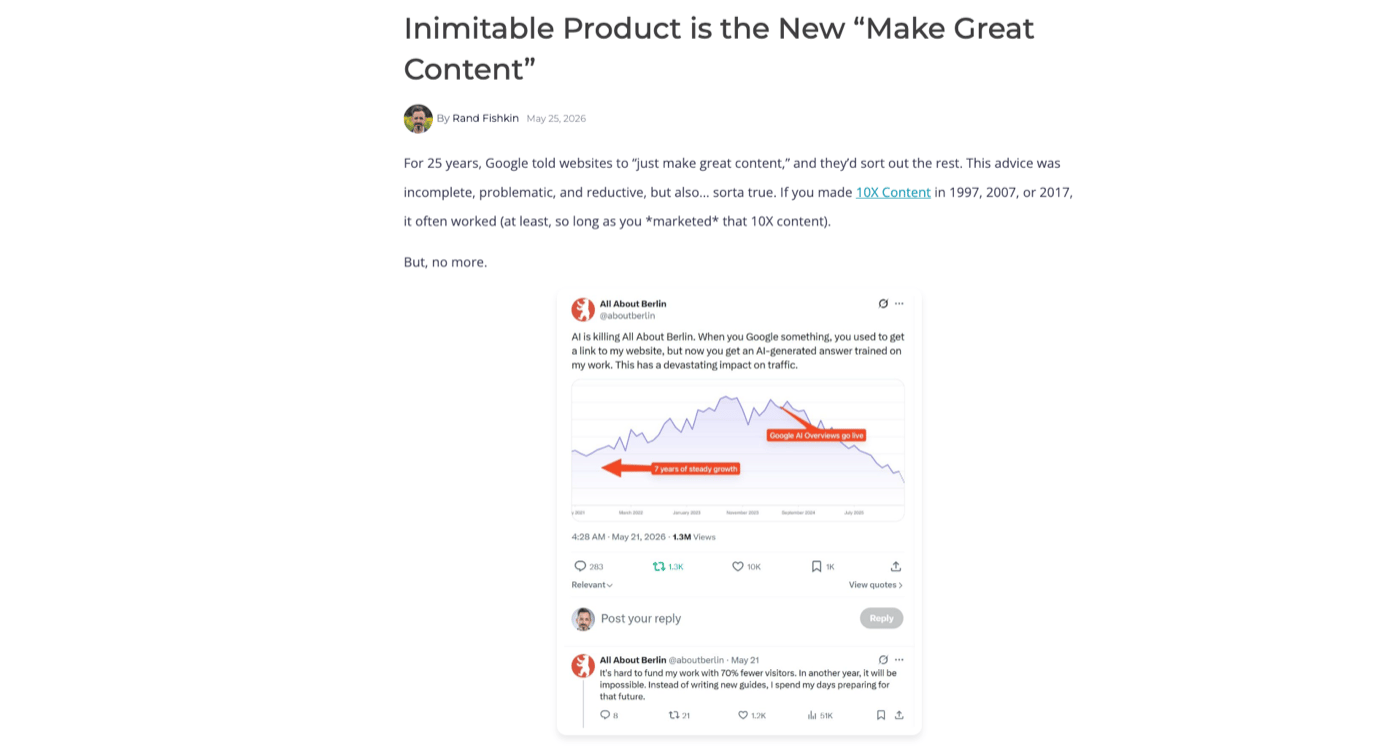
Rand Fishkin Is Half Right About the End of Great Content
The 25-year-old loop where great content drove organic traffic and organic traffic drove growth is breaking, and his framing of why is accurate. The conclusion that companies should pivot to inimitable products instead of content does not survive contact with the enterprise SaaS market, where the inimitable product is already the company. What changes for those buyers is not whether to publish, but what publishing is for.
Read post →