
Measuring the Value of SEO from Day 1

SEO is a long-term investment, but your business can still see the benefit of SEO in the shorter term.
Here's how
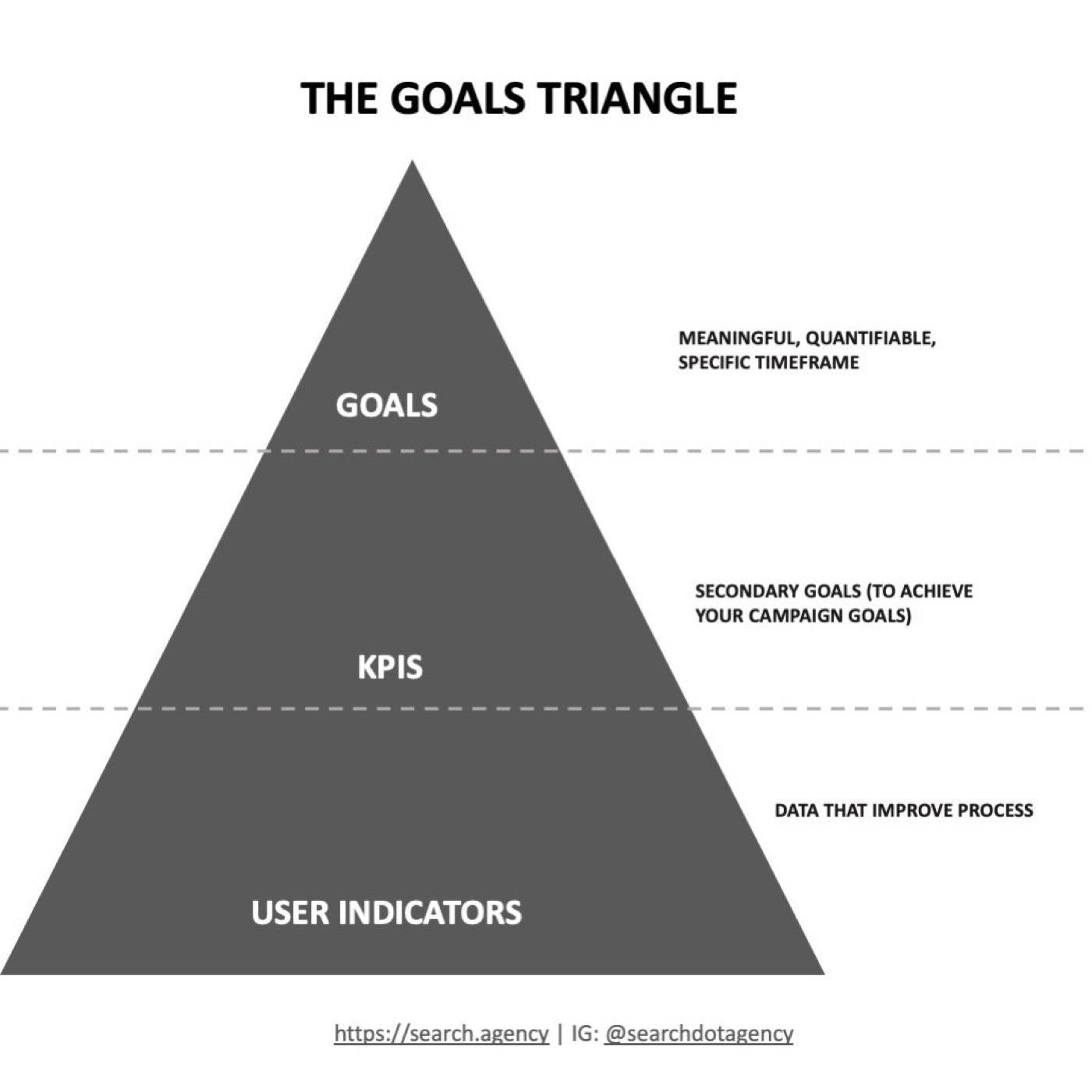
Set up clear campaign goals and objectives. I'm using these goal triangles for this. Each layer of the triangles represents specific metrics important for your business.
Your goals: should be something super meaningful for your business, has monetary value, with a specific timeframe.
Your KPIs: should be directly related to your goals, i.e., if your goal is revenue growth, then your KPI will be conversion or transaction value.
User Indicators: these are all the other metrics you can measure from your campaign. Choose user indicators related to your business and your campaign nature.
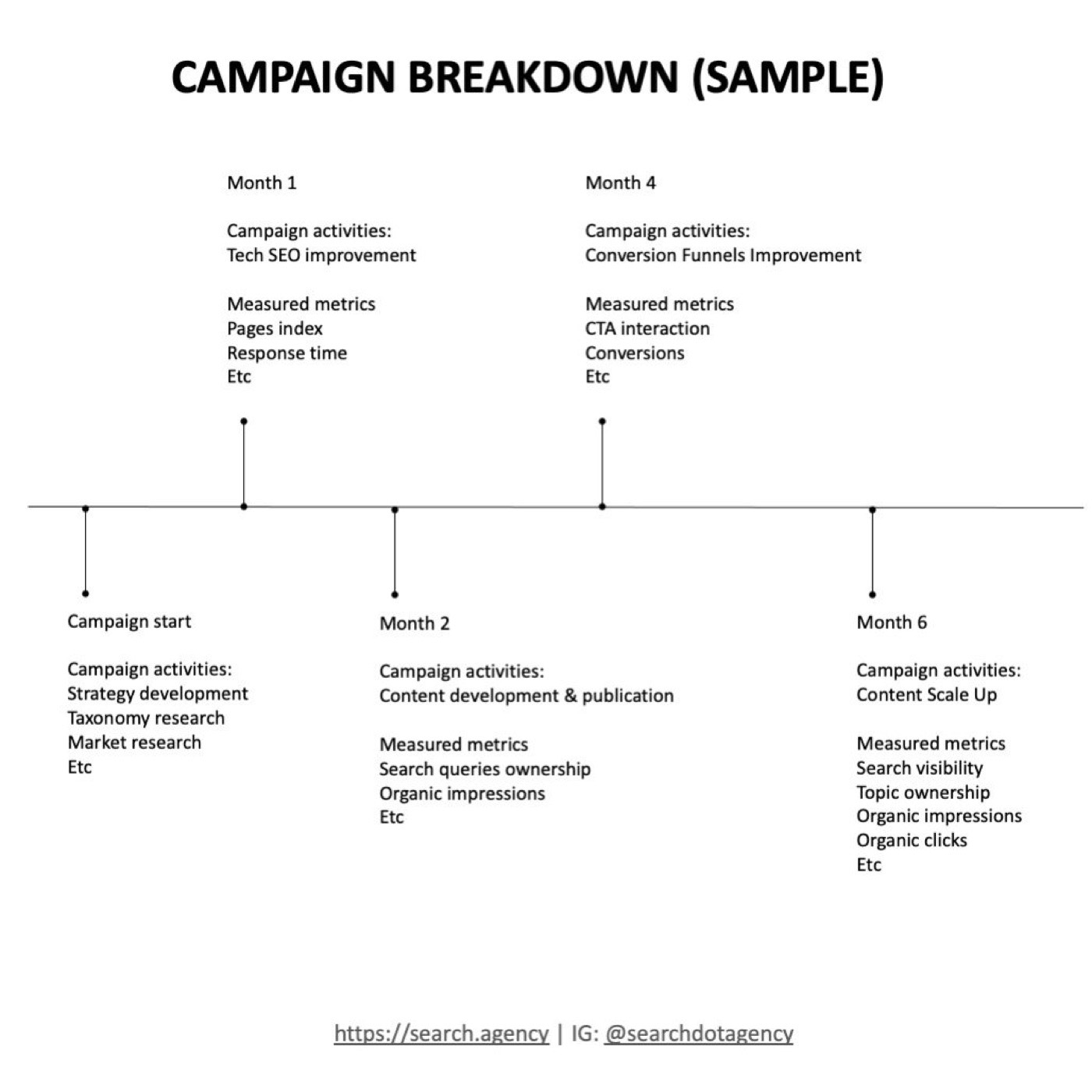
The next step is to break down this goals triangle into campaign milestones. Each milestone will have specific metrics, activities, and target dates (to achieve).
Make sure that all your campaign stakeholders agree on this. Doing this will make it easier for you to see the value of your SEO campaign. Not just the (sometimes BS) "long-term investment" :D
See where your brand stands in AI answers today, benchmarked against your competitors, no pitch required.

How to Set Up the Bing Webmaster MCP (Step by Step)
Connect Claude to your Bing Webmaster Tools account with an open-source MCP server, so you can pull index coverage and query data or submit URLs without leaving the chat. A step-by-step setup for technical SEOs who care about AI search visibility.
Read post →
What Really Sets the Cost of SEO
Ask three agencies to price SEO for the same website and the quotes can land five times apart. Here are the five things that actually set your SEO price, and how to read a quote instead of guessing at it.
Read post →
Turning SEO Goals Into Real Business Growth
SEO can fill many roles in a marketing mix. The same channel can raise brand visibility, nurture engagement, and drive revenue. That versatility is both a gift and a risk. A gift because the channel can flex with company needs. A risk is that unclear goals lead teams to chase rankings that appear impressive yet add no value. The first step is deciding what the company truly needs from search right now.
Read post →