
Introducing StoryMint: Audience First Personas For Modern Marketers


For years, marketers have been told to “know your audience.”
In reality, that often translates into a slide deck of personas that looks impressive for a kickoff meeting, only to quietly disappear.
The disconnect is familiar:
Personas live in PDFs and Notion pages.
Campaigns live in ad accounts and content calendars.
SEO lives in keyword tools
We saw the same pattern repeat across brands, industries, and regions. Teams worked hard to define “ideal customers,” yet those insights rarely made it into day-to-day decisions about copy, content, and campaigns.
StoryMint was born from that gap.
Why We Built StoryMint
Working as an agency, we experienced two recurring problems.
First, personas were static. They were treated as project deliverables, not as living assets that evolve with new campaigns, data, and market changes. Once the initial workshop was finished, the documents were rarely opened again.
Second, personas were not operational. They described people at a high level, but they did not directly translate into:
Search behaviour and intent
Content angles and formats
Ad copy and creative briefs
We wanted something different. We wanted a way for marketers to:
Turn messy notes and brief descriptions into usable personas in minutes.
Talk to those personas before launching campaigns.
Generate content and campaign ideas that are clearly tied to a specific audience, not a generic “target market”
That is the role StoryMint is designed to play.
What StoryMint Is
StoryMint is a web-based, AI-powered platform for persona-driven marketing.
At its core, StoryMint helps you:
Create rich customer personas from simple descriptions, research notes, or VOC data.
Interact with those personas in a chat interface as if they were real people.
Turn the resulting insight into content and campaign ideas that support your SEO and growth strategy.
StoryMint is not another keyword tool and not another copy generator. It sits upstream from both. The platform focuses on the audience layer that should inform your SEO, content, and campaign work.
How StoryMint Works In Practice
Most users start StoryMint in one of two ways:
They write a short description of a target audience they already have in mind.
They paste in existing research, customer notes, or FGD summaries.
From there, StoryMint generates a detailed persona that covers:
Context and goals
Pains and objections
Buying behaviour
Channel and content preferences
Language and tone patterns
Once the persona is in place, you can:
Ask questions in natural language.
“What worries you most about switching to a new tool?”
“How would you describe this problem to a colleague?”
Test messages and headlines
“How does this landing page hero make you feel?”
“Which of these three hooks feels most relevant to you, and why?”
Generate content ideas and campaign angles that are anchored in this specific persona, rather than a generic topic list.
The result is a more grounded starting point for the work you already do:
SEO research begins with persona search journeys
Audience problems, not just keywords, shape content calendars.
Ad campaigns are tested against likely reactions before you spend the budget.
Audience First SEO, Operationalised
At Search Agency, we have been talking a lot about audience-first SEO. In practical terms, that means:
Starting from people and their jobs to be done
Understanding how they search and how they make decisions
Using keywords and tools as execution detail, not as the starting point
StoryMint fits directly into this approach.
Instead of opening a keyword tool first, you start with a persona in StoryMint and explore:
Situations where they realise they have a problem
Questions they ask at each stage of the journey
Terms and phrases they naturally use
Those insights then flow into your usual SEO stack. The difference is that your topic clusters and content briefs are already tied to a clear persona and intent. You are not optimising for “volume” alone. You are designing for specific people with specific needs.
Built For Different Types Of Teams
Although we built StoryMint based on our experience with mid-sized and larger organisations, the platform is intentionally flexible.
A few examples of how different roles use it:
Marketing managers use StoryMint to align teams on who they are targeting, then brief performance and content teams from a shared persona set.
Content strategists and writers use it to test angles and generate outlines that speak to a specific audience, not a generic demographic.
SEO specialists use persona conversations to inform search intent mapping and topic cluster design.
Agencies use StoryMint to standardise persona work across clients and keep it accessible throughout engagements.
Underneath these use cases, the principle is the same. Personas are treated as living, working objects that shape execution, not as static documentation.
Product First, Service Supported
StoryMint exists as a standalone SaaS platform. Teams can sign up, create personas, and integrate the tool into their existing workflows at their own pace.
For organisations that want more support, we also offer a managed, audience-first content and SEO service built on top of StoryMint. In that model, we combine:
Strategic work on audience, search, and content
Hands-on production and optimisation
Shared access to StoryMint as the audience platform of record
You do not need to use the agency service to benefit from the app, nor do you need to adopt the app to work with Search Agency. The two are designed to complement each other, not to be a bundle that locks you in.
What Comes Next
StoryMint is still evolving. The roadmap includes:
Stronger ingestion of the authentic voice of the customer data
Deeper connections between personas, search intent, and topic planning
Collaboration features for teams and agencies
The direction is constant. We want to make it easier for marketers to keep their work anchored in real audiences and journeys, not just in tools and templates.
Try StoryMint
If you are interested in moving away from static personas and keyword-first planning, we invite you to try StoryMint.
You can create your first persona, ask it questions, and generate ideas for your next campaign in a single session. From there, you can decide how far you want to integrate it into your process.
You can learn more and start a free trial at:
If you would like to discuss how StoryMint and Audience First SEO could support your organisation, feel free to reach out to the Search Agency team for a conversation.
See where your brand stands in AI answers today, benchmarked against your competitors, no pitch required.

Meet Zahrani Ariyani, the Content Strategist Behind Your Brand's Voice
The person deciding what your brand sounds like matters more than the pitch deck. For our content clients, that person is Zahrani Ariyani.
Read post →
Meet Doni Dwi Resdianto, the SEO Manager Steering Your Search Growth
Doni did not arrive at SEO from a marketing seminar. He came up through the work itself. He started in 2013 looking after a company website, then moved into agency life, growing from SEO Executive to SEO Manager to Head of SEO at InboundID, an inbound marketing agency in Jakarta. Those years taught him the breadth that agency work demands: many clients, many industries, and many different definitions of success, all running at once.
Read post →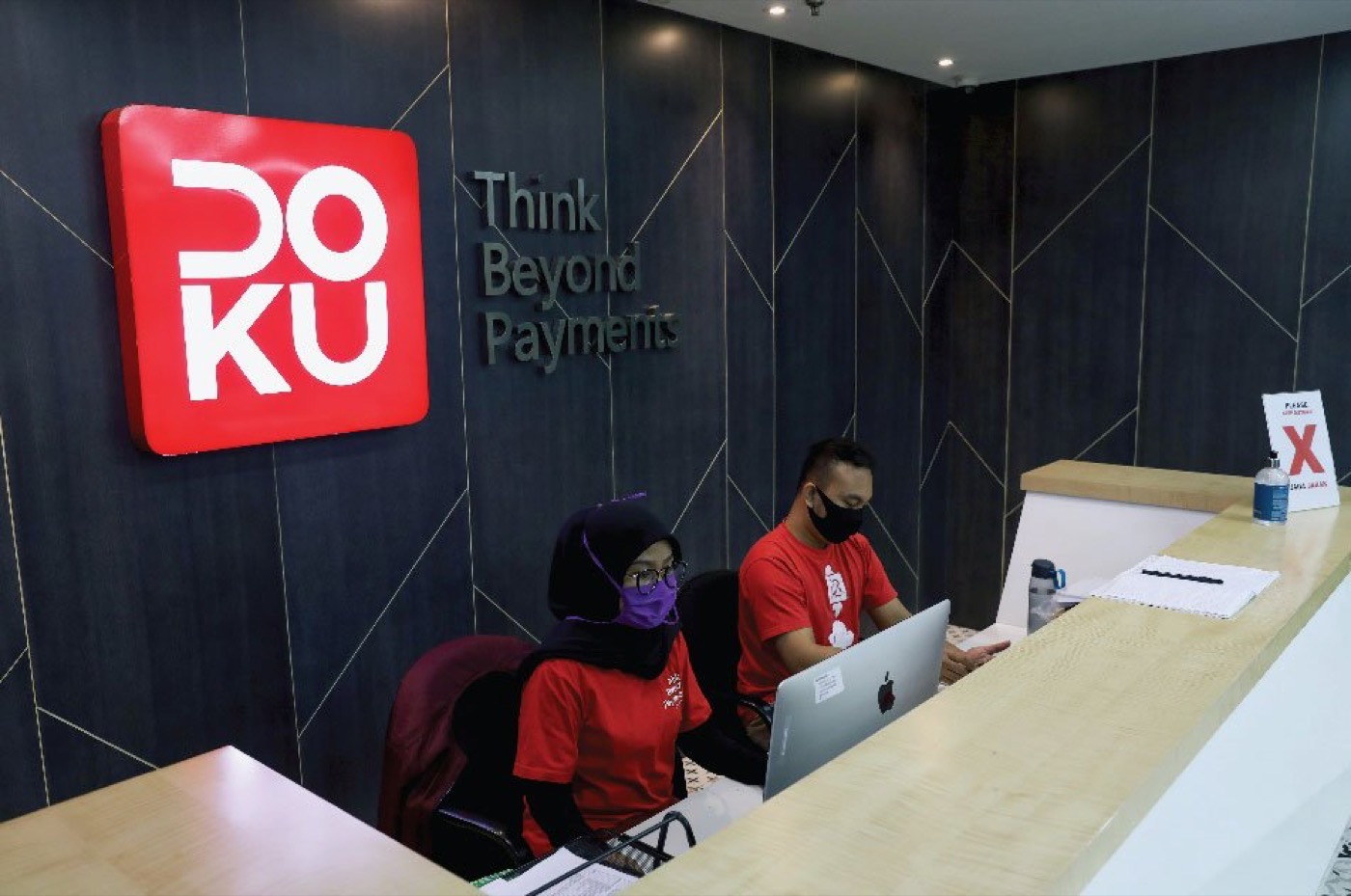
Doku.com Selects Search Agency as Official SEO Partner
Search Agency is proud to announce that Doku.com has appointed us to lead its SEO campaign. Doku, a pioneering Indonesian payment technology company, offers secure online and offline payment solutions to over 150,000 merchants and serves millions of users across the region. By partnering with Search Agency, Doku aims to expand its digital reach, attract larger volumes of qualified traffic, and generate new business opportunities.
Read post →